
AI Strategy for Business: Frameworks & Transformation Guides
By MyZone AIPublished · Last updatedStrategic frameworks for AI adoption, organizational readiness, and data-driven decision making — built for business leaders navigating the AI revolution.
AI strategy is not a technology project. It is a business transformation initiative that determines whether your organisation leads its market or scrambles to catch up. In Stanford's 2025 AI Index, 71% of respondents reported generative AI use in at least one business function in 2024, up from 33% in 2023. The companies that treat AI as a tool to bolt onto existing processes are the same ones wondering, two years later, whether their competitors are using AI more effectively. In Stanford's 2025 AI Index, 78% of survey respondents reported organizational AI use in 2024, up from 55% in 2023.
- AI strategy is a business transformation initiative, not a technology project.
- Skipping the readiness phase burns budget and builds distrust; an AI readiness assessment maps eight pillars before any money is spent on implementation.
- A strategic recommendation engine connects data from CRMs, financial systems, project tools and marketing platforms into evidence-based decisions.
- AI-powered scorecard tracking surfaces trends and anomalies in real time instead of waiting for quarterly reviews.
- The guides cover the full lifecycle: assessment, implementation planning, performance tracking and continuous optimisation.
The difference between success and stagnation almost always comes down to strategy. Businesses that skip the readiness phase — jumping straight to buying AI tools without understanding their data maturity, team capabilities, or process bottlenecks — burn through budgets and build distrust in AI across their organisations. A proper AI readiness assessment maps the eight pillars that together determine how ready a business is to adopt and benefit from AI, giving leadership a clear picture of where they stand before a single dollar is spent on implementation. Microsoft's 2024 Work Trend Index found 60% of leaders worried their leadership lacked an AI implementation plan and vision.
Most businesses generate data across:
- CRMs
- Financial systems
- Project management tools
- Marketing platforms
Effective AI strategy also requires ongoing measurement. NIST's 2023 AI Risk Management Framework also calls for testing AI systems before deployment and regularly in operation. Static scorecards and quarterly reviews are too slow for the pace of modern business. AI-powered scorecard tracking surfaces trends and anomalies in real time, alerting leadership to problems before they compound and opportunities before they close.
The strategic lifecycle these guides cover:
- Initial assessment
- Implementation planning
- Performance tracking
- Continuous optimisation
Which AI strategy guides should business leaders read?

The Meeting Follow-Through Problem: Why Your Meetings Are Producing Nothing
Meetings can consume a large part of an executive’s week. Most produce action items nobody tracks.

The Strategy Gap: Why Good Data Isn't Enough
Your business generates mountains of data. The problem is not collection — it is connection.
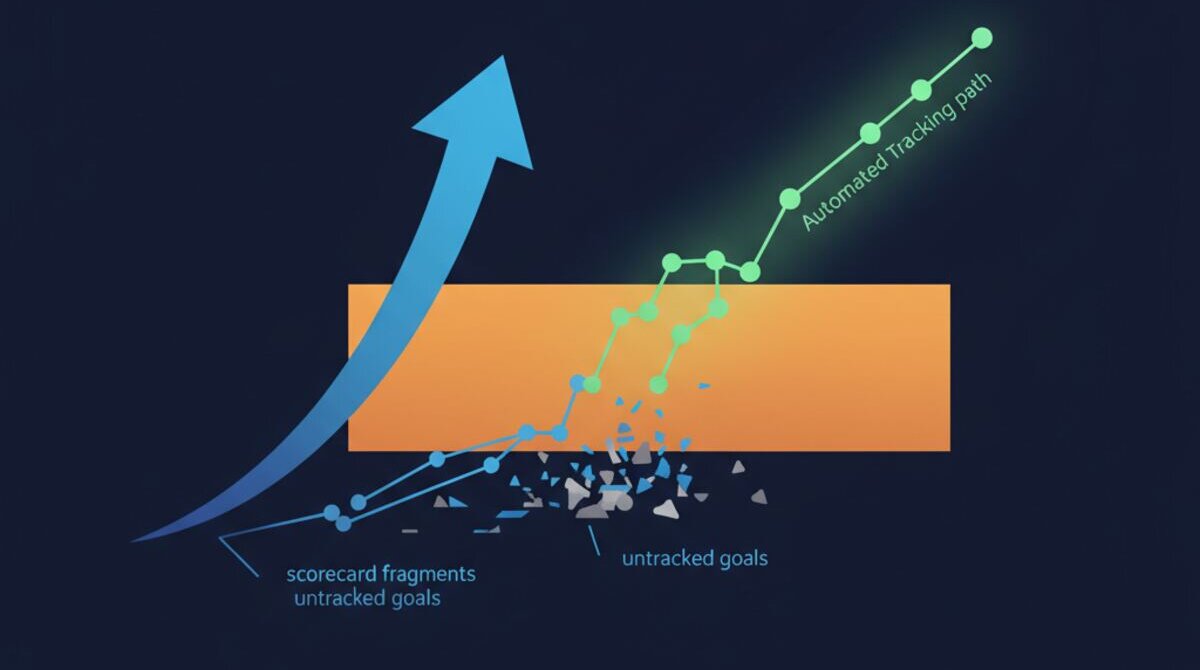
Why Most EOS Teams Plateau After Year One
The accountability gap that kills traction in EOS companies and how AI-powered tracking keeps Rocks, L10s, and core values on track.
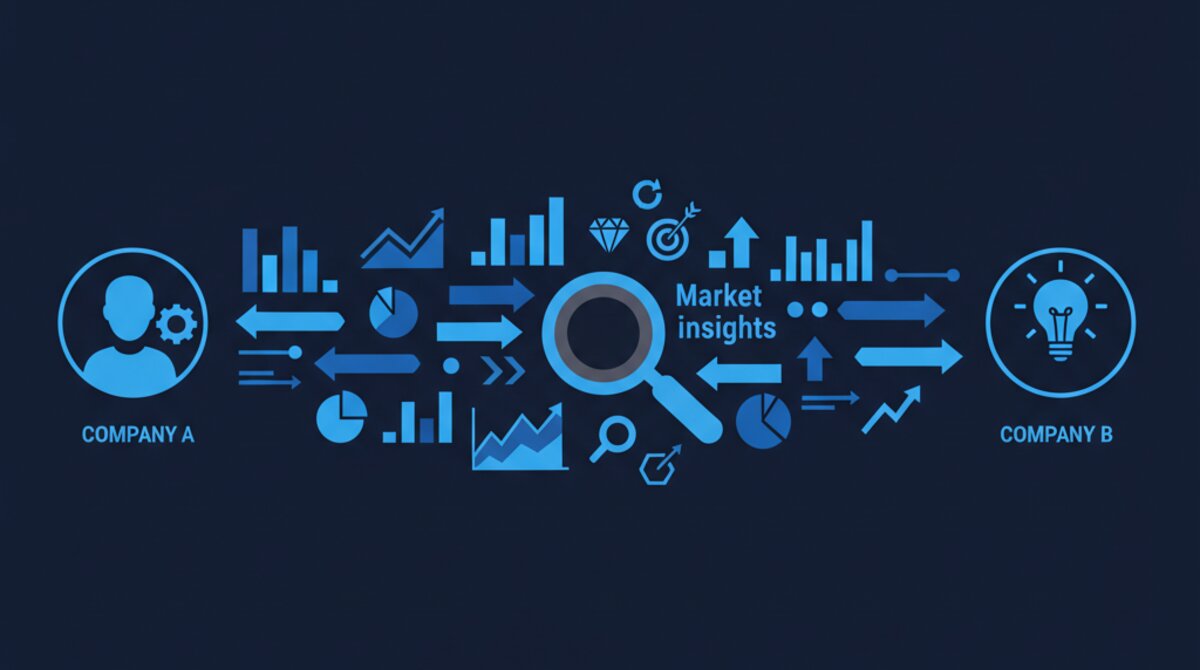
Deep Research & Intelligence: The Intelligence Gap
Ai1 produces analyst-grade competitive, industry, pricing, and AI adoption intelligence reports delivered monthly.
AI-Powered Scorecard Tracking
Most scorecards are dead on arrival. By the time you've pulled the numbers, the quarter's over.
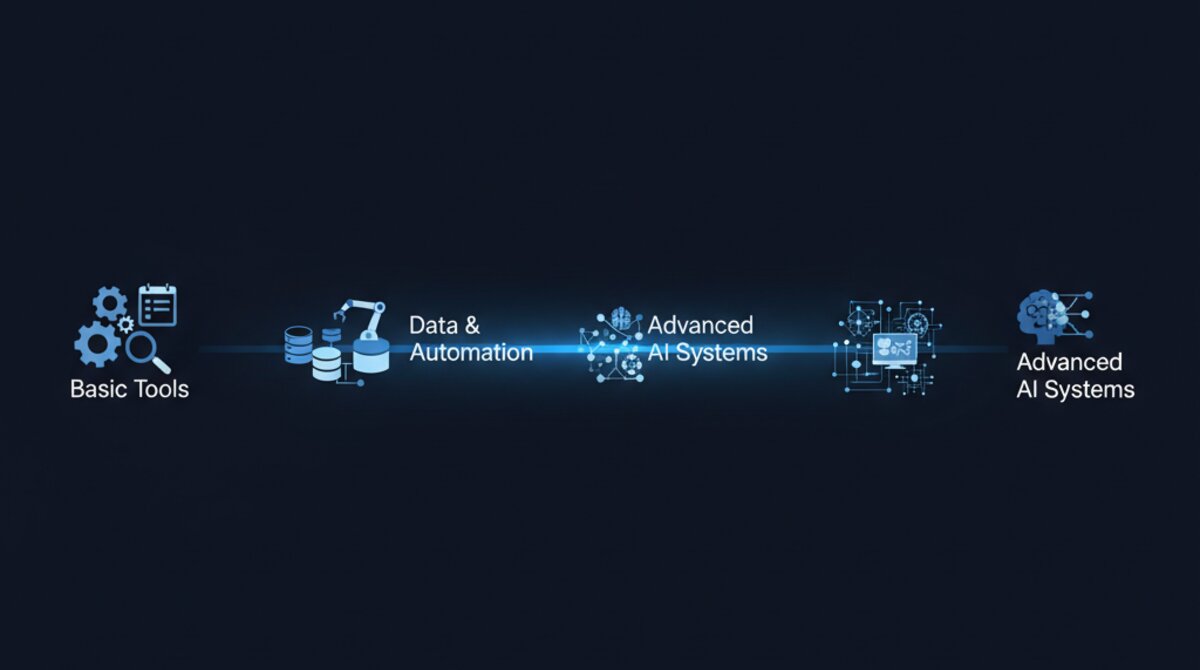
Is Your Organization AI-Ready?
Eight pillars that together determine how ready your business is to adopt AI.
What other AI topics can you explore?
Frequently asked questions
How can you stay ahead of the AI curve?
Get weekly insights on AI automation, strategy, and business transformation. Plus early access to upcoming workshops.
Join 500+ business leaders. No spam, unsubscribe anytime.
Or explore our upcoming workshops →