

The Data Rich, Insight Poor Problem
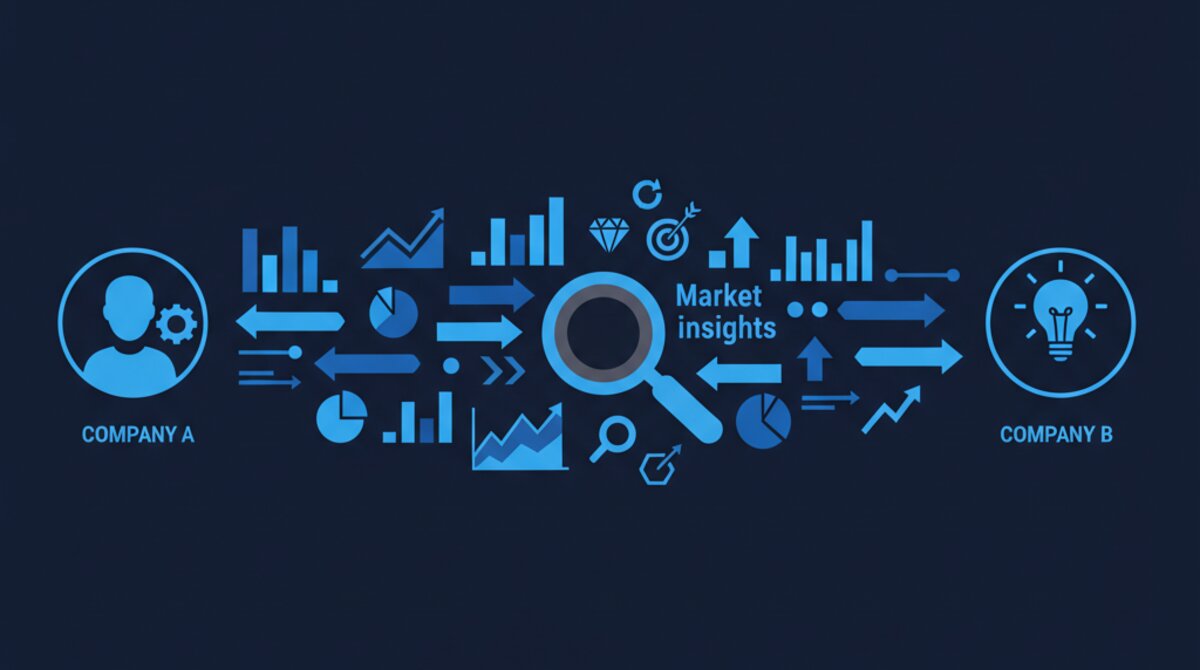
I have worked with hundreds of small businesses since 2000, and the pattern is always the same. They are not short on data. They have Google Analytics tracking every click. They have a CRM full of deal data. They have scorecards with weekly KPIs. They have project management tools tracking Rocks and to-dos. They have Google Drive folders stuffed with strategy documents, board decks, and planning notes.
And yet, when it comes time to make a strategic decision, the CEO is still going with their gut. Why? Because all that data lives in silos. The scorecard does not talk to the CRM. The project tracker does not reference market research. The competitor analysis from last quarter is buried in a Google Doc nobody has opened since.
This is the Strategy Gap — the distance between the data you have and the decisions you make. And for most businesses, it is enormous.
Why Humans Cannot Close the Gap
Let me walk you through what it would take to produce a genuinely cross-referenced strategic recommendation the old-fashioned way. You would need to pull your scorecard data and identify multi-week trends. Then cross-reference those trends with your Rock progress to see if your strategic priorities are actually moving the metrics. Then check your roadblock history to identify systemic patterns. Then layer in external market research — competitor moves, industry trends, pricing shifts. Then correlate all of that with your pipeline data, your website analytics, and your internal planning documents.
That is eight data sources, minimum. A consulting firm would charge $10,000 to $25,000 for that analysis and take two to four weeks to deliver it. By the time you get the recommendations, the market has already moved.
More practically, most CEOs attempt a simplified version of this analysis in their head. They look at a few metrics, recall a few data points, factor in their experience, and make a call. It works often enough. But it misses the cross-references — the non-obvious connections between a rising customer acquisition cost, a decelerating Rock, a recurring roadblock pattern, and a competitor move that are all actually related.
What AI Cross-Referencing Actually Looks Like
Here is a real example of what our Strategic Recommendation Engine produced for a client. The AI pulled their scorecard and noticed that customer acquisition cost had risen 22% over six weeks while organic traffic had grown 34% in the same period. It then checked their Rock progress and found an active Rock to "Scale paid advertising spend by 40%." It pulled their Google Analytics data and confirmed that paid traffic conversions were declining while organic conversions were stable.
Then it checked the Deep Research module and found that two competitors in their space had recently shifted budget from paid to content marketing. It reviewed their Google Drive and found a board presentation from Q3 that set organic growth as a long-term strategic priority.
The recommendation: pause the paid scaling Rock, reallocate $18,000 per quarter to content-led growth, and realign the marketing team's quarterly priorities. That recommendation came with a confidence score, estimated revenue impact, and a three-phase implementation plan. A human reviewing these data sources separately would likely have missed the connection entirely — or taken weeks to make it.
The Five Layers of Strategic Intelligence
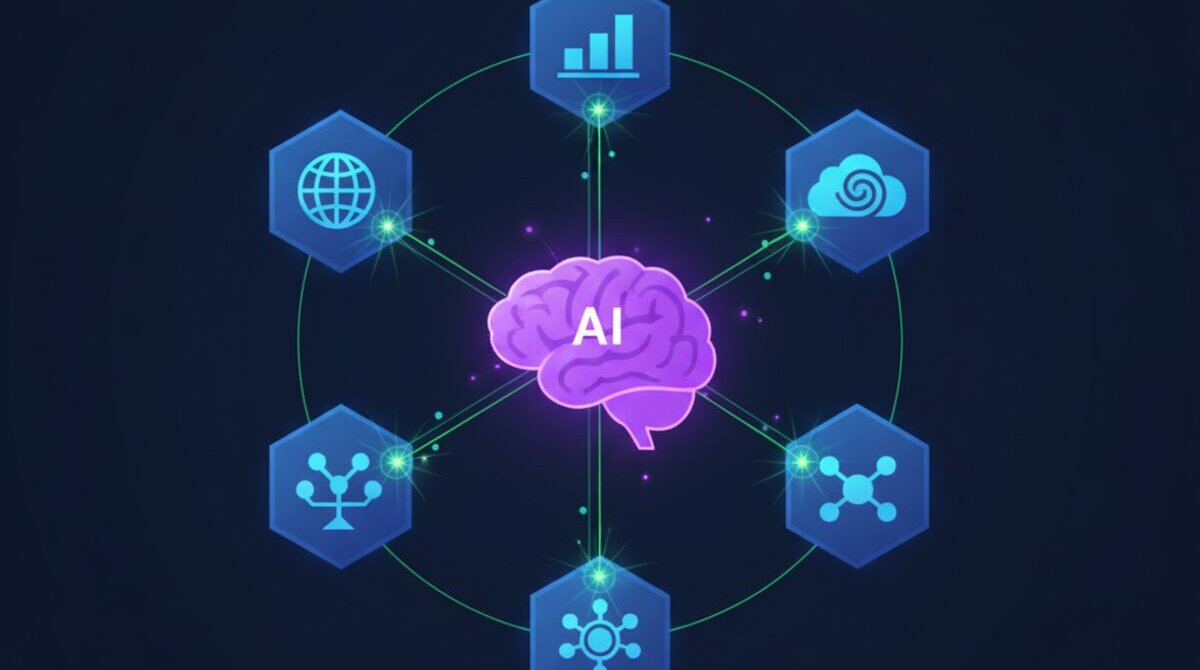
Our engine analyses five interconnected layers to produce recommendations. First, scorecard pattern analysis — not just whether metrics hit targets, but multi-week trends, velocity changes, and anomaly detection. Second, Rock alignment — checking whether your quarterly priorities still make sense given current data. Third, roadblock root causes — looking at your IDS history for systemic patterns, not just individual issues. Fourth, external intelligence — competitor moves, market shifts, and industry trends from the Deep Research module. Fifth, internal document synthesis — strategy documents, board decks, and planning notes that provide context the numbers alone cannot.
No single layer is revolutionary. The magic is in the cross-referencing. When the AI sees a scorecard metric declining, it does not just flag it — it checks whether the related Rock is on track, whether roadblocks in that area are recurring, whether competitors are gaining ground in the same space, and whether your own internal strategy documents predicted this outcome.

From Reactive to Proactive Strategy
Most small businesses run strategy reactively. Something breaks, a competitor makes a move, a metric tanks — and then the leadership team scrambles to respond. The Strategic Recommendation Engine flips this model. By continuously cross-referencing your data, it surfaces emerging patterns before they become problems.
A Rock that is technically on track but decelerating gets flagged before it misses its deadline. A market shift gets connected to your pipeline data before it hits your revenue. A recurring roadblock gets identified as systemic before it costs you another quarter of IDS meetings.
This is the difference between having data and having intelligence. Data tells you what happened. Intelligence tells you what to do about it — and what to do next.
What This Means for Your Business
If you are running EOS, Scaling Up, or any structured operating system, you already have most of the data this engine needs. Your scorecards, your Rocks, your L10 notes, your IDS logs — they are already being generated every week. The Strategic Recommendation Engine just connects them in ways that would take a human consultant weeks to replicate.
Every month, you receive a ranked list of strategic actions with estimated revenue impact, implementation effort, and confidence scores. Every action comes with a this-week, this-month, and this-quarter plan. And because the AI is watching continuously, the recommendations evolve as your data changes.
Meet the Leadership Strategist →
See the Strategic Recommendation Engine Automation in Action
Watch how Ai1 turns data into actionable strategic recommendations with our strategic recommendation engine automation workflow.
Meet the Leadership Strategist →