Agentic Development
Best Practices, Part 1.

Mike Schwarz hasn't written a line of code in months. Here's how he still ships software every day. The full recording, the workshop arc, real stories from the call, the questions the room asked, and a plain-English glossary for every term he used. About 87 minutes, covered in full below.

25-50×
Mike's claimed jump in output over the past two months
98-99%
the share of the coding Mike says agents now handle for him
~30 min
time he spent cloning a voice-to-text tool, live, on screen
0
lines of code Mike says he has personally written

WHO THIS RECAP IS FOR, founders and operators who want to direct AI agents instead of writing code themselves. Entrepreneurs running EOS or a similar system, non-technical founders who want a technical partner they can trust, and anyone curious what a real, live agent-built session looks like.

87 minutes, in 9 beats.

Timestamps are from the recording above.

Beat 0100:00 to 05:04

The Big Claim

Mike opens with the numbers: a 2 to 5x jump in his own output this week, and 25 to 50x versus two months ago, despite never having written a line of code. He introduces the term "Agentic Engineer," someone who directs the systems rather than typing the code.

Beat 0205:04 to 16:29

Own the Process

Mike polls the room on who has clean, current process documents. Almost nobody. He shows how to hand a messy process to an agent, answer a short interview, and get a clean version back, then demos a tool that imported and organized his own process library, built in about three hours.

Beat 0316:30 to 30:16

Own the What

The most important step, in Mike's telling. An agent interviews him to produce a build brief, then he reverse-engineers two real products live, a voice-to-text tool he clones and demos working in about 30 minutes, and a competitor's own published technical papers, used as a starting brief for a client project.

Beat 0431:08 to 38:46

Picking What Gets Built First

Mike answers the room's question on where to start. A small number of agents handle intake, then rank ideas by rough payoff so a human can pick. His warning, chasing one big project first is how teams miss the easy wins sitting right in front of them.

Beat 0539:12 to 49:56

Turning the What Into a Plan

Mike's colleague Thomas joins to explain the next step, translating a build brief into a technical plan that fits a company's actual systems and brand. This is the one place Mike says a non-technical founder still needs a second set of eyes before the build starts.

Beat 0650:36 to 58:05

Watching a Build Run Live

Mike kicks off a real build for an attendee's business on screen. One agent manages the code, another debates the design, another checks it for security issues. He shows a setting that decides when a build can safely run in parallel across a team of agents, turning an 8-hour build into roughly 2.

Beat 0758:05 to 1:07:32

Catching Mistakes Before They Ship

Mike's highest-value habit, running two independent reviews of the same work, on two different models, and letting them argue it out for a few rounds before he looks at it. He says this catches roughly twice as many real problems as a single review.

Beat 081:07:32 to 1:08:20

Keeping Spend in Check

A short, practical note on cost. Mike bakes a hard stop into the instructions he gives his agents, for example no more than four rounds of back and forth unless they agree sooner, so a debate between agents can't run unattended.

Beat 091:21:29 to 1:26:56

The Last Mile, and the Close

Thomas walks through what happens after a build is approved, moving it from a test copy to the live version safely, with a way to back out if something breaks. Mike shares his own daily habit for reporting bugs and closes the session.

Three moments that stuck with the people who attended.

Real examples from the call, told the way they came up.
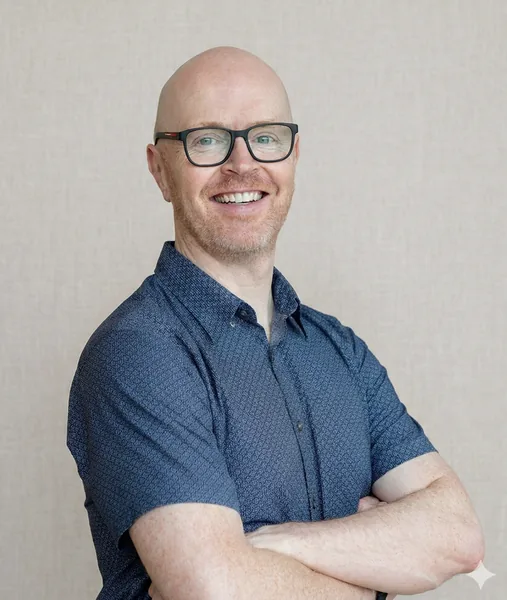
Mike Schwarz
Mike SchwarzFounder · MyZone AI
He cloned a voice-to-text tool live, in about 30 minutes

Mike set a research agent loose on a competitor's public site, blogs, and community discussion to work out how it was built, then ran the findings through his own build pipeline. A few design misses later, a working clone, custom shortcuts included, was up and running in around 30 minutes of hands-on time.

A tool you already pay for is a legitimate, fast source of what to build next.
E
EricSplit Second Basketball
SOPs turned into skills, without anyone deciding to

Eric, who runs a youth basketball program with 50-plus coaches, described moving his process documents into Notion about eighteen months ago. Somewhere along the way his team quietly stopped writing static documents and started building reusable instructions for their tools instead, without ever making a deliberate call to switch.

This is the story that led Mike to his line of the day: an SOP written for an agent is a skill.
Mike Schwarz
Mike SchwarzFounder · MyZone AI
A funded competitor's own paperwork became the build brief

Mike is building a real-time basketball video tool for Eric's program after finding a funded competitor, charging more than most youth programs can justify, that had published its own technical papers. His team used those public papers as a starting brief and had a working prototype taking shape during the call itself.

A competitor's own published documentation can double as your requirements doc.

The lines that landed.

Spoken quotes from the session, lightly trimmed for reading.

The crazy part is, I do not know how to code. I have never looked at a piece of code.

Mike Schwarz · opening minutes

It's not about coding anymore. It's about systems and processes, judgment and taste, making good decisions.

Mike Schwarz · on being an Agentic Engineer

We're looking at close to 98 to 99 percent automation of software development.

Mike Schwarz

It's not about taking one agent that will go off and do a task for you. That's so December 2025.

Mike Schwarz

An SOP is step-by-step instructions about how a human is supposed to behave. A skill is the same thing for an agent.

Mike Schwarz

If you force that through in the wrong situation, you'll end up with spaghetti code on the other side.

Mike Schwarz · on parallel builds

My dual-agent adversarial review of code dramatically outperforms a single review.

Mike Schwarz

Value is not in the software, and it is not in the prompts. It's in the institutional knowledge.

Mike Schwarz

The questions you asked, and what Mike and Thomas said.

Pulled from the live chat and the recording, answered with what was actually said on the call.

The terms that kept coming up.

A screenshot, a spoken note, and back to the agent.

The session ran long, so the close was brief. Here's what Mike left the room with.

Mike closed by walking through his own daily habit for reporting problems: take a screenshot, describe it out loud, and hand both straight to the agent working on it. No separate ticket, no separate write-up, requirements and fixes flow through the same conversation.

He wrapped with a promise to send the full written guide to everyone who attended, and a reminder to use up that week's AI trial credits before they expired. His sign-off: "Thank you all, and we'll see you all very soon."

Who was driving the session.

No panelists this time, just Mike and the room.

Mike Schwarz
Mike Schwarz
Founder · MyZone AI

Built the MyZone Ai1 agent platform. Runs the AI Plus Entrepreneurs workshop series, advises founders on directing AI agents, and by his own account hasn't written a line of code in months.

MyZone.ai ↗
TP
Thomas (Tamas Perlaky)
Technical Colleague · MyZone AI

Joined throughout the session to field the harder technical questions on planning, architecture, and moving a build from a test copy to the live version. Not a panelist, just the person in the room who answers what Mike can't.