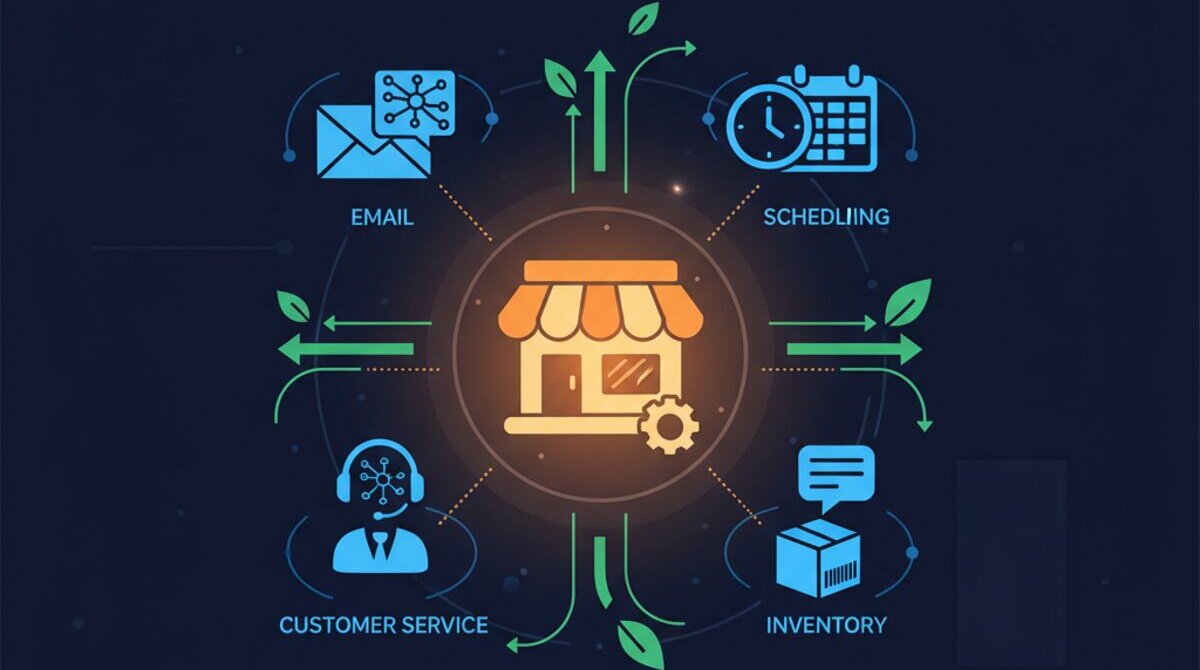

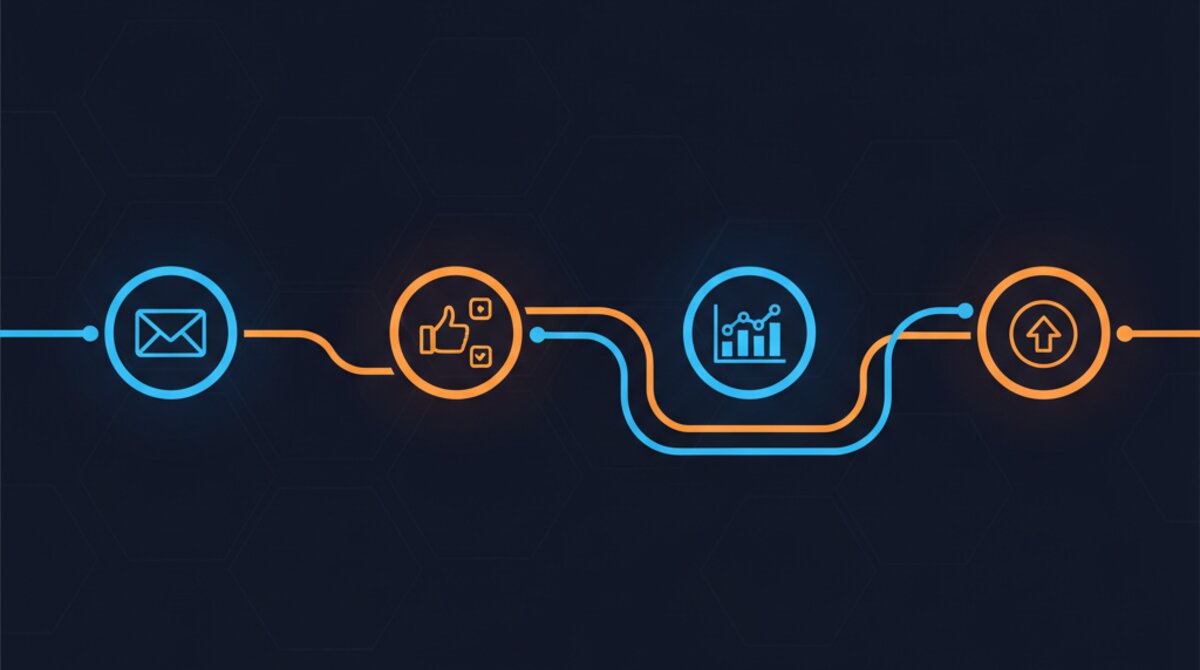
Most marketing teams are still doing manually what AI can handle in seconds. We're not talking about replacing creativity — we're talking about eliminating the repetitive grunt work that eats 60% of your team's day. Our AI marketing service is built on automating exactly these five areas. Here's what you need to know to get started. For a deeper look at how we implement these at MyZone, check out our breakdown of how we use AI to run marketing for small businesses.

1. Social Media Content Repurposing
You recorded a webinar, wrote a blog post, or hosted a workshop. That single piece of content should become 15-20 social posts, a newsletter, a carousel, and a short video clip. Most teams never get around to it — because the manual process is brutal. You're reformatting the same ideas for five different platforms, adjusting character counts, swapping image dimensions, rewriting hooks for each audience. It takes a skilled content manager a full day. So it doesn't happen. And that webinar you spent two weeks preparing? It lives on YouTube with 43 views and dies there.
AI agents eliminate this bottleneck entirely. They watch your video, extract the key insights, and generate platform-specific posts — LinkedIn thought leadership, Instagram carousels, X threads, newsletter snippets — each formatted correctly and matched to your brand voice. Companies using AI-driven content repurposing report a 3-5x increase in publishing frequency without adding headcount. What used to take a full day now takes 10 minutes of review time.
Start with your highest-performing content. Feed your best blog post or webinar recording into an AI repurposing workflow and review the output. You'll immediately see the gap between what you've been publishing and what you could be publishing. Then set it up as a recurring automation — every new piece of content automatically gets the full treatment.
In Ai1, the Marketing Director does this work for your team.
2. Lead Follow-Up Sequences
The gap between a lead filling out a form and getting a meaningful follow-up is where most deals die. Industry data shows that responding within five minutes makes you 21x more likely to qualify a lead compared to responding after 30 minutes. But most small teams don't have someone sitting at a desk refreshing the inbox all day. Leads come in at 9pm on a Tuesday. They come in during your team meeting. They come in while you're on a call with another client. By the time someone sees the notification, the lead has already moved on to your competitor who replied faster.
AI changes the math completely. It can draft personalized follow-up emails based on what the lead actually asked about, what pages they visited, and what industry they're in. Not a generic "Thanks for reaching out" — a response that demonstrates you understand their specific problem and have helped similar companies solve it. The email goes out in seconds, not hours. That speed and personalization alone can double your conversion rate from inquiry to booked meeting.
The practical setup is straightforward: connect your form submissions and CRM to an AI agent that pulls the lead's context, drafts a relevant response, and sends it immediately. Build in a second follow-up for 48 hours later if they haven't replied. Your sales team wakes up to warm conversations instead of cold leads that went stale overnight.
3. Competitive Monitoring
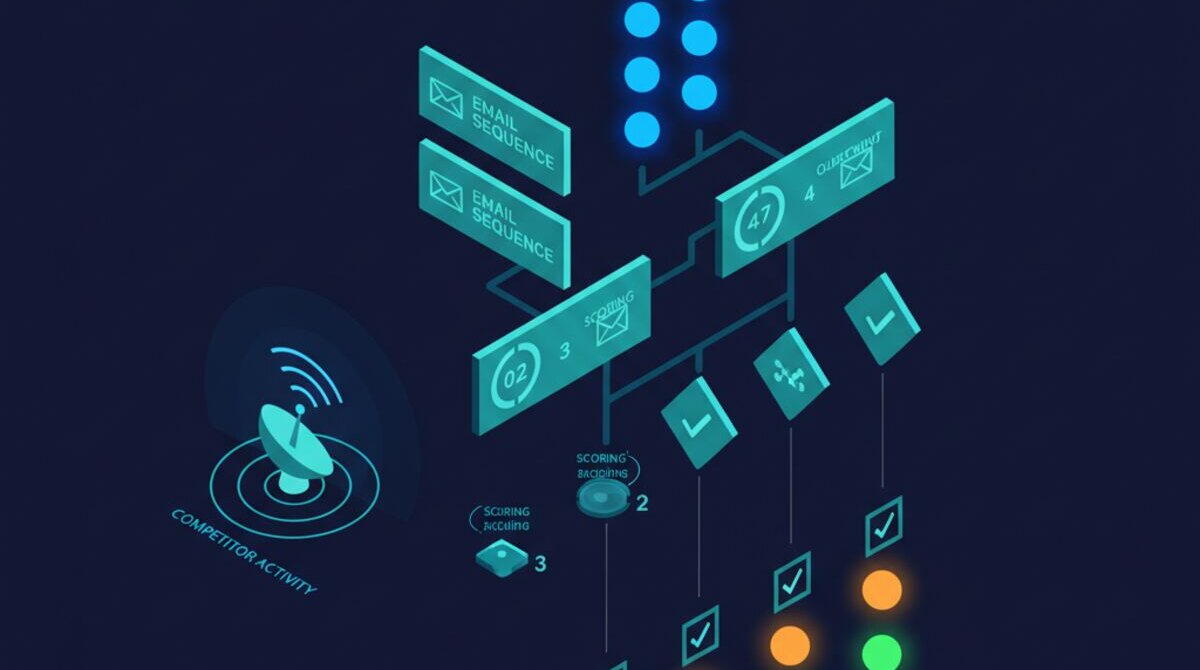
Checking competitor websites, tracking their pricing changes, monitoring their social media activity, and watching for new product launches — this is valuable work that almost nobody has time for consistently. The problem isn't that teams don't want competitive intelligence. It's that the manual version — opening 10 competitor sites, scrolling through their blogs, checking their LinkedIn pages, comparing pricing tiers — takes an hour or more. So it happens sporadically. Maybe once a month. Maybe when someone remembers. Meanwhile, your competitor launched a new feature, undercut your pricing, or published a case study targeting your exact customer segment — and you didn't find out for three weeks.
An AI agent can run these checks daily and surface only what's changed or what's important. New pricing page? Flagged. New blog post about a topic you cover? Summarized. New job posting that signals they're expanding into your market? Highlighted. You wake up to a briefing, not a research project. Teams using automated competitive monitoring report catching market shifts 4-6 weeks faster than they did with manual tracking.
Set up monitoring for your top five competitors to start. Define what matters to you — pricing changes, new content, job postings, product updates — and let the AI agent filter the noise. You should be spending your time acting on competitive intelligence, not gathering it.
4. Performance Reporting
How much time does your team spend building weekly or monthly marketing reports? For most teams, the answer is half a day — sometimes more. You're logging into Google Analytics, pulling ad platform dashboards, exporting email campaign stats, cross-referencing CRM data, copying numbers into a spreadsheet, building charts, and writing up a summary. By the time the report is done, the data is already old. And the person building it — usually your most skilled marketer — just burned four hours on data entry instead of strategy.
AI can pull from all these sources simultaneously, identify the trends that matter, and generate a narrative report that tells you what's working, what's not, and what to do about it. Not just numbers in a table — actual analysis. "Email open rates dropped 12% this week, likely due to the subject line format change on Tuesday. Recommend reverting." That kind of report. Marketing teams that automate reporting reclaim 6-8 hours per week and make faster decisions because insights arrive in real time, not five days after the fact.
The key is automating the assembly, not the thinking. You still decide what to do with the insights. But you shouldn't be the one pulling the data, formatting it, and building the charts. Set up automated reports on a weekly cadence, delivered to your inbox or Slack channel every Monday morning. Review and act — don't compile.
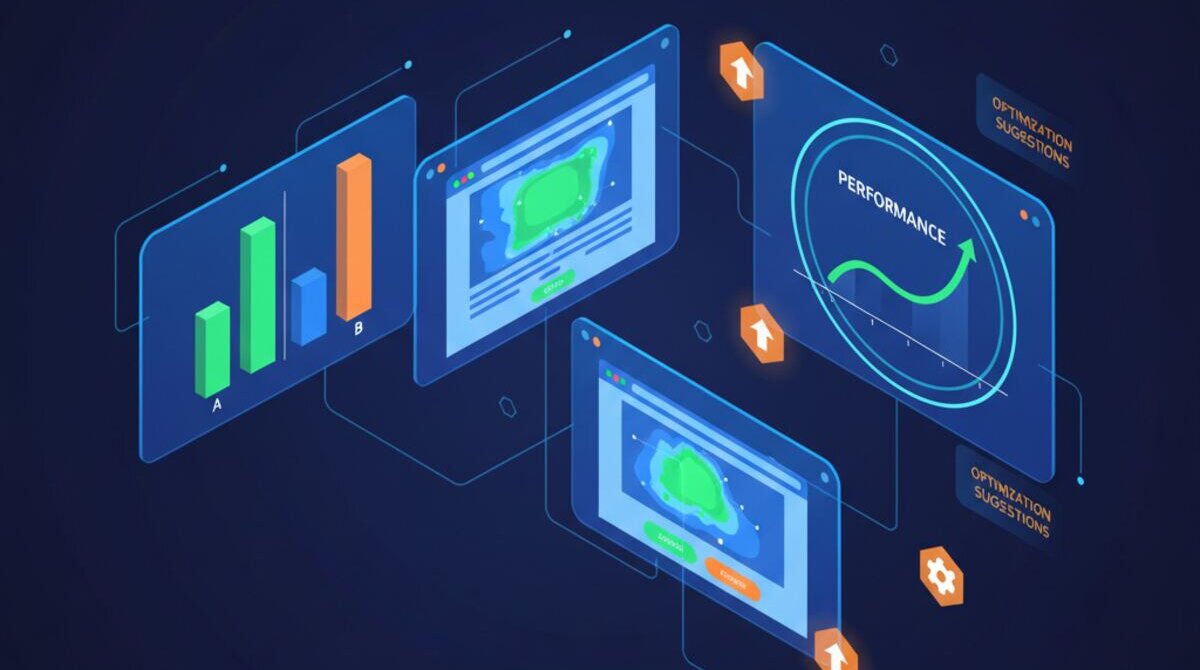
5. CRO and Landing Page Optimization
Your landing pages are leaving money on the table — and you probably don't know how much. Most businesses build a landing page, launch it, and never touch it again until the next campaign. Meanwhile, a weak headline, a buried CTA, or a missing trust signal is silently killing conversions every single day. The manual approach to CRO requires hiring a specialist, waiting weeks for an audit, paying for A/B testing tools, and running experiments for months. Most small and mid-size businesses never get around to it. Our AI-powered CRO audit changes this by running continuous analysis automatically.
AI can audit pages for conversion rate optimization issues — weak headlines, missing social proof, unclear CTAs, slow load times, poor mobile experience — and generate specific recommendations with rewritten copy variations ready to test. At MyZone, our CRO auditor agent runs continuous analysis and produces actionable reports. Clients using automated CRO audits have seen conversion rate improvements of 20-40% within the first 90 days, simply by implementing the AI's recommendations.
Don't wait for a quarterly review to look at your landing pages. Set up continuous monitoring that catches issues as they develop. Run your highest-traffic pages through an AI audit this week. The fixes are usually straightforward — clearer value propositions, stronger CTAs, better social proof placement — but the revenue impact is immediate and measurable.
The Compounding Effect
The real power isn't in automating any single task — it's in the compounding effect of automating all five together. Your repurposed content drives more traffic. That traffic generates more leads. Those leads get followed up on instantly. Your competitive monitoring ensures your messaging stays sharp against the market. And your reporting tells you exactly which channels and messages are driving results — so you double down on what works.
This is what separates businesses that "use AI" from businesses that are actually transformed by it. One automated task saves you a few hours. Five automated tasks running in parallel fundamentally change how your marketing operates. We've seen businesses go from publishing twice a month to twice a week, from 48-hour lead response times to under five minutes, and from quarterly strategy reviews to weekly data-driven pivots — all without hiring a single new person.
The businesses that start automating these five areas today will have a compounding advantage over the next 12 months that their competitors can't close by simply "catching up" later. Every week of automated content, instant follow-ups, and continuous optimization builds on the last. Waiting costs you more than the subscription to any tool ever will. Pick one task from this list, automate it this week, and add the next one next month. By the end of the quarter, your marketing will be unrecognizable — in the best way.
How to Get Started with Marketing Automation
If you are convinced that automation is worth pursuing — and the numbers say you should be — here is how to get started without overwhelming your team or your budget.
Step 1: Pick One Task, Not Five
The biggest mistake I see is trying to automate everything at once. Choose the single task that eats the most time relative to its strategic value. For most businesses, that is either content repurposing or performance reporting. Start there, get it working reliably, and then expand.
Step 2: Document Your Current Process
Before you can automate something, you need to understand exactly how it works today. Write down every step your team takes to complete the task. Note where they get the inputs, what decisions they make along the way, and what the output looks like. This documentation becomes the blueprint for your automation.
Step 3: Build with Guardrails
Start with human-in-the-loop automation. The AI does the work, but a human reviews and approves before anything goes live. This builds trust, catches edge cases, and lets your team learn how the AI thinks. Over time, as confidence grows, you can reduce the review step to spot-checks rather than full reviews.
Step 4: Measure the Time Savings
Track exactly how much time your team spent on the task before automation and after. Not estimates — actual hours logged. This data justifies expanding automation to additional tasks and gives you concrete ROI numbers for leadership.
Step 5: Expand Methodically
Once the first automation is running smoothly, add the next task. Follow the same process: document, build, review, measure. Within 90 days, most businesses can have 3 of the 5 tasks above running on autopilot with minimal human oversight.
Common Mistakes in Marketing Automation
I have seen enough automation implementations go sideways to know the common failure modes. Here is what to avoid.
Automating bad processes. If your current process is broken, automating it just makes it broken faster. Fix the process first, then automate it. If your lead follow-up emails are generic and unhelpful, sending them faster does not make them better.
Ignoring brand voice. AI can generate content quickly, but it defaults to generic corporate speak unless you train it on your brand voice. Invest the time upfront to create clear brand guidelines and example content that the AI can learn from. The difference between "AI-generated content" and "content your brand would actually publish" comes down to this training step.
Setting and forgetting. Automation is not a one-time setup. Markets change, your business evolves, and what worked last quarter might not work this quarter. Schedule monthly reviews of your automated workflows to check that the outputs still meet your standards and the metrics are trending in the right direction.
Skipping the measurement step. If you cannot quantify the time and money your automation saves, you will never get budget to expand it. Track everything from day one. The businesses that scale automation fastest are the ones that can walk into a leadership meeting with hard numbers: "We saved 47 hours per month and increased qualified leads by 31%."
The businesses that will dominate the next decade are not the ones with the biggest teams. They are the ones that figured out how to make their small teams operate like big ones through intelligent automation.
Want to see this in action?
Watch the full recording of our "Amplify Your Marketing with AI" workshop — packed with live demos and tactical frameworks.
Watch Recordings →