I've been in digital marketing for 26 years. I've seen every wave — from the early days of meta keyword stuffing through Google Panda, Penguin, mobile-first indexing, Core Web Vitals, and now AI-driven search. I've built campaigns, managed teams, run agencies, and presented more SEO audits to clients than I can count.
And I'm telling you: what just happened with AI-powered SEO audits is the single biggest shift I've witnessed in this industry. Not incrementally better. Fundamentally different.
The Way It Used to Work
Literally just a few months ago — mid to late 2025 — we were still charging $2,500 to $5,000 to create a detailed SEO audit for our clients and present it to them. This wasn't us being greedy. It was genuinely what it cost to do it right.
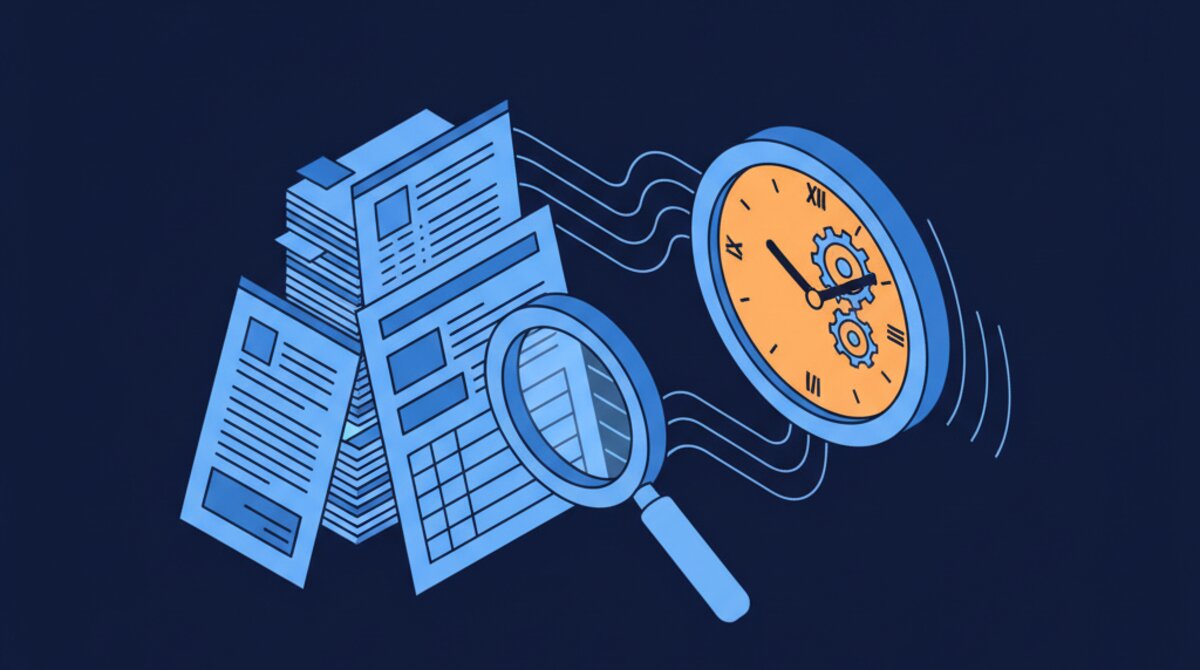
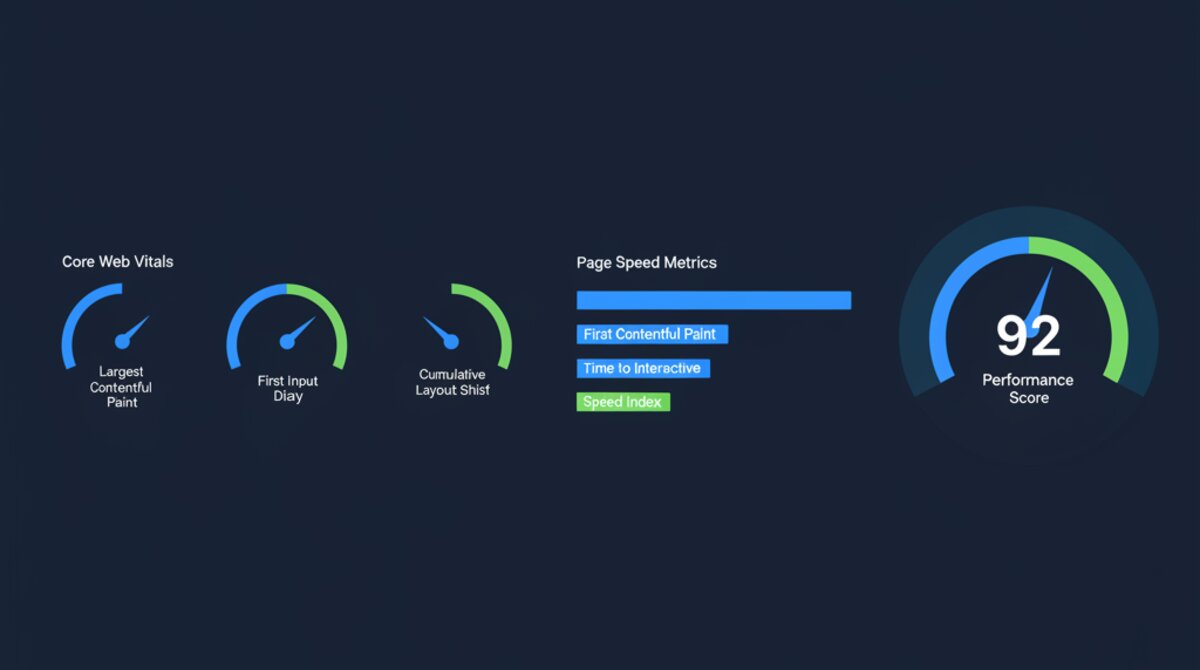
A proper audit would take our team around 15 to 25 hours to complete. We'd get it back to the client in one to two weeks. We were using all the same tools you see in our automation demo — Screaming Frog, SEMrush, Ahrefs, Google Search Console, PageSpeed Insights, the whole stack. We were even using AI to analyse certain reports and automate parts of the compilation process. We were being efficient.
But even with all that efficiency, the process was still massive. You've got the initial discovery call with the client. The scoping. Confirming the billing with account management. The actual research — logging into each tool, pulling each report, waiting for crawls to finish. Compiling everything into a coherent document. Cross-referencing the data. Coming up with a prioritised recommendation list. Building the presentation. Reviewing it internally. Presenting it to the client. Answering their questions. Following up.
It is a lot of freaking time.
What Changed
Now, with the Ai1 platform and over a hundred automations like this — everything from marketing to sales to operations to accounting — all of that can be triggered with a simple request.
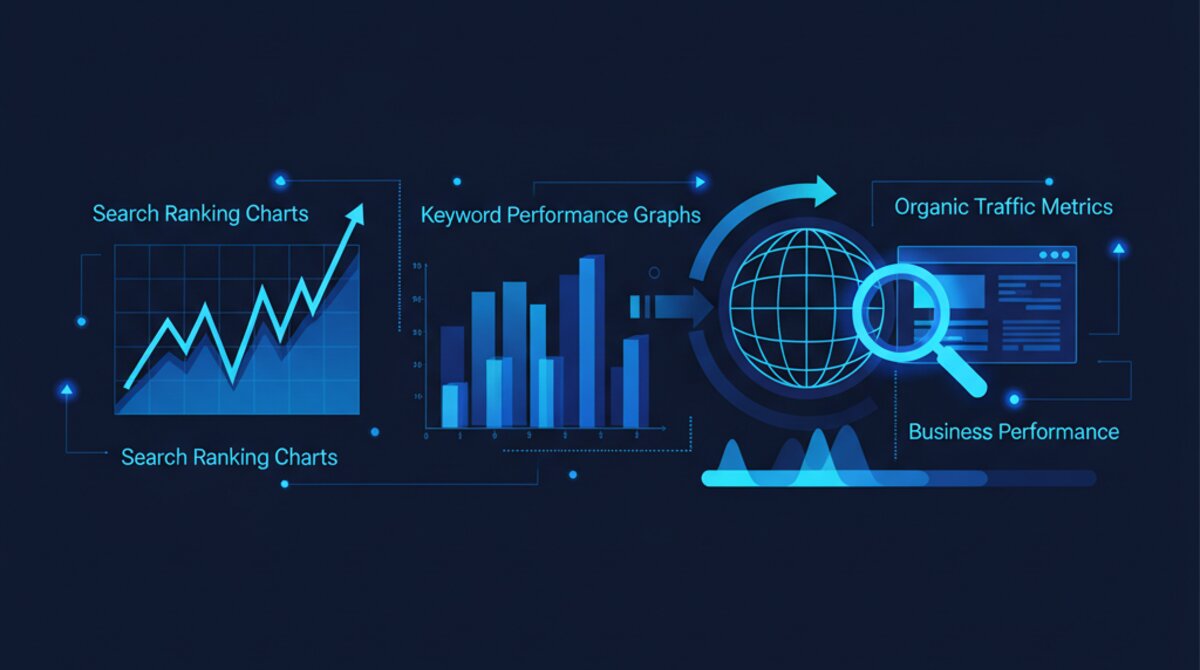
You can talk into any of the comms channels: Teams, Slack, WhatsApp, Telegram, email, text message, even a phone call. Amy, your Ai1 executive assistant, will take it, process it, and run it through a series of specialised skills and connections. She pulls from all those same data sources — Screaming Frog, SEMrush, Ahrefs, Search Console, PageSpeed — scrapes them, analyses the data with the latest AI model, generates a comprehensive report from a specific template, and pushes it back to you in the same channel you asked for it.
"The marginal cost of each report is essentially free. That's not an optimisation — that's a paradigm shift."
— Mike Schwarz, Founder & CEO, MyZone AI
It's Not Just Faster. It Changes the Entire Model.
Here's what most people miss when they hear "AI can do an SEO audit in two minutes." They think: great, it's faster. But speed isn't the real breakthrough. The real breakthrough is what becomes possible when the marginal cost of a professional-grade audit drops to essentially zero.
In the past, a full, in-depth, human-reviewed professional audit would take at least a week to do properly. Sure, there were some cheap, shallow ones online, but they didn't go anywhere near this deep. So businesses would run an audit maybe once or twice a year, if that. You'd get a snapshot. A single moment in time. And by the time you'd implemented half the recommendations, the landscape had already shifted.
Now that you can get a professional, highly detailed audit automated? This changes everything. You can set it up on a recurring schedule. I want it to run every Friday at 4 a.m. Done. You'll see a Google Drive connection in our live demo visualisation — we log the results row by row, every criterion, every time it runs. And that starts to create a completely new layer of data and insight.
The Ice Core Analogy
When I give talks about AI to business owners, I always use this analogy: the data in your organisation is like an ice core drilled in the Arctic.
Think about how an archaeologist drills through hundreds of metres of ice and analyses the carbon deposits going back millions of years. It's not the one thin layer that tells the story. It's layer upon layer — like sedimentary deposits in rock — that lets you understand what was happening in the past and predict trends for the future.
That's exactly how AI works with your business data. When you're getting data sources like an SEO audit sporadically — once a quarter, once a year — you're not building enough layers of sedimentary data to spot the trends and make the predictions. But when you automate it weekly? You start to build that ice core. And AI can look across all those layers and tell you things no human analyst could see.
"It's not the one thin layer of data that tells a story. It's layer upon layer — like sedimentary deposits — that lets AI predict trends for the future."
— Mike SchwarzThe Questions You Can Finally Answer
When you're running these automated audits on a schedule and layering the data over time, suddenly you can ask questions that used to be unanswerable:
- How is my site speed trending week over week — and is it correlated with my traffic changes?
- How is my content performance evolving? Which pages are gaining authority and which are decaying?
- How are my unique visitors from the USA versus Canada shifting, and does it align with my content strategy?
- When my competitor launched their new product page, how did it affect my keyword rankings in that vertical?
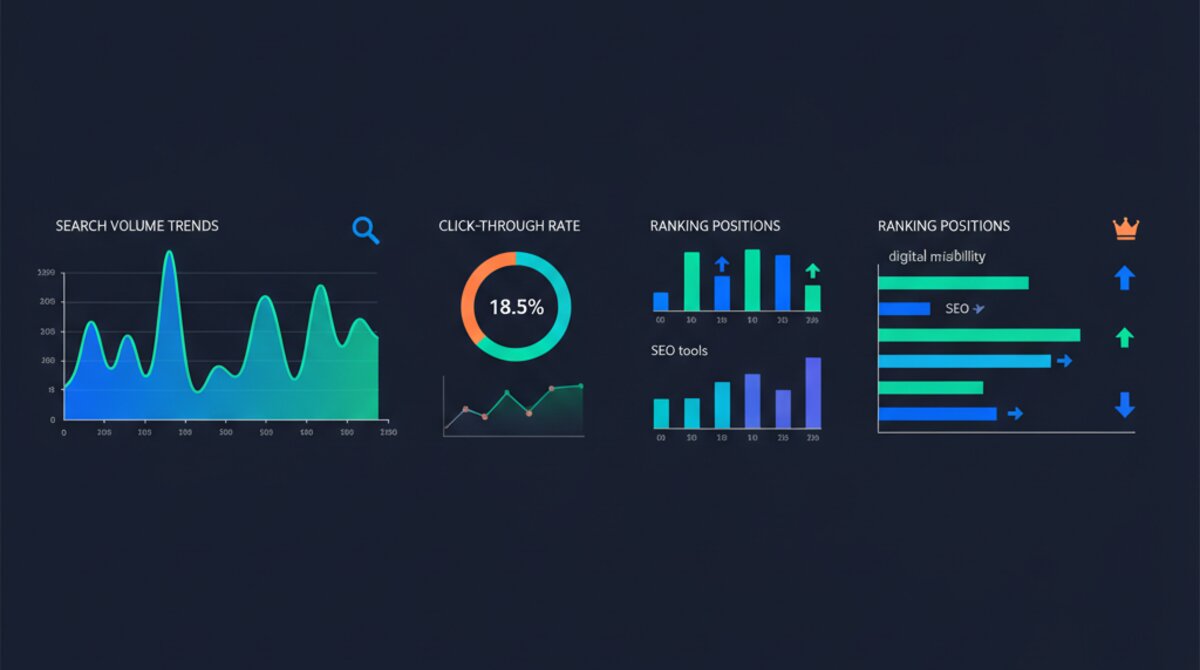
That data can now be compiled and layered over time. And when you connect these data sources to all the other automations doing the same thing — your ad performance, your CRM data, your conversion funnels — that's when the magic of AI really kicks in. You get incredibly powerful strategic recommendations that are grounded in real longitudinal data, not guesswork.
The Audit Is Just the Beginning
Let's not forget: this is just the audit. Once it's completed, it produces a detailed, prioritised list of every change you should make. And then? You can pass that list along to your SEO optimisation agent, which connects to your website and starts implementing the changes automatically.
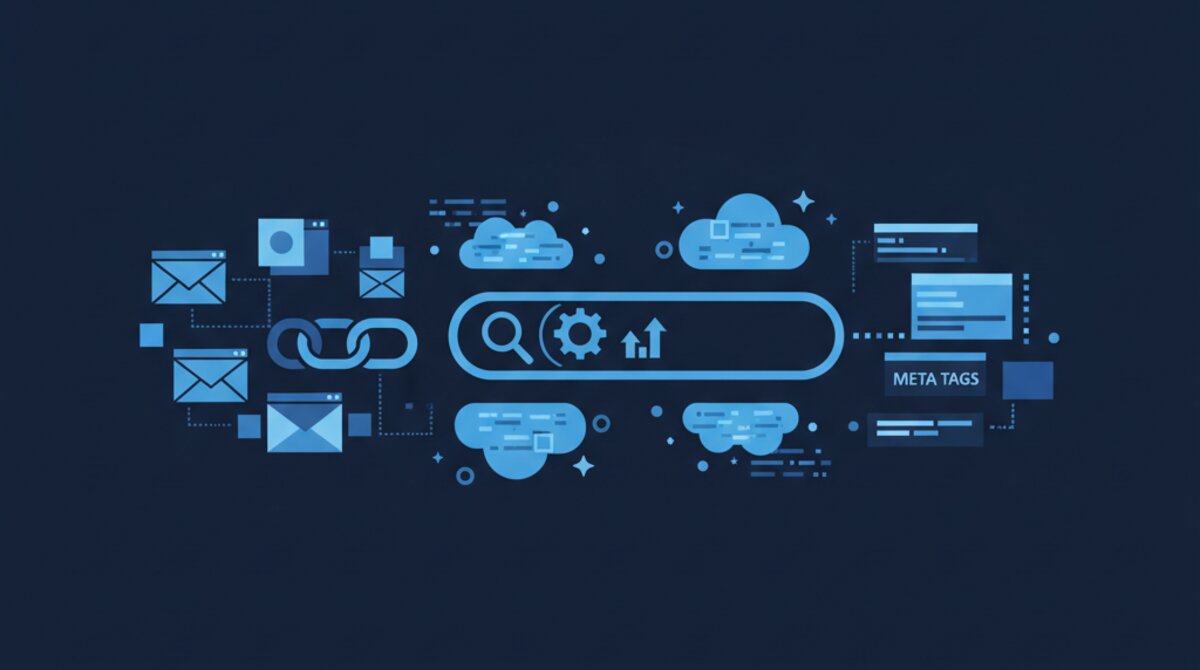
The analysis. The inbound link development strategy. The on-page technical changes to your site. The meta tag updates. The schema markup additions. All of it can now be automated end-to-end.
It is just an absolutely incredible time to be alive.
The Competitive Window Is Open — But Not for Long
I'll be honest: it's a little bit of a scary time to be in business. Because the companies that are embracing these tools across their organisation right now — and these tools literally just became available in early 2026 — are gaining a massive competitive advantage over everyone else.
If you're jumping on this agent train now, you get that first-mover advantage. You build the data layers before your competitors even understand what's possible. You optimise faster, respond quicker, and make decisions grounded in a depth of analysis that simply wasn't economically viable six months ago.
The SEO audit automation is just one of over a hundred automations on the Ai1 platform. Marketing, sales, operations, accounting — every function in your business can now run on this same principle: request it, let the AI handle the heavy lifting, get professional-grade output in minutes, and build your data layers over time.
The window won't be open forever. The question isn't whether this technology works — it's whether you'll be the one using it, or the one competing against someone who is.
See the SEO Audit Automation in Action
Watch how Ai1 runs comprehensive SEO audits in minutes with our SEO audit automation workflow.
Explore the Automation →