
The narrative spine
What does the Ai1 platform look like as a whole?
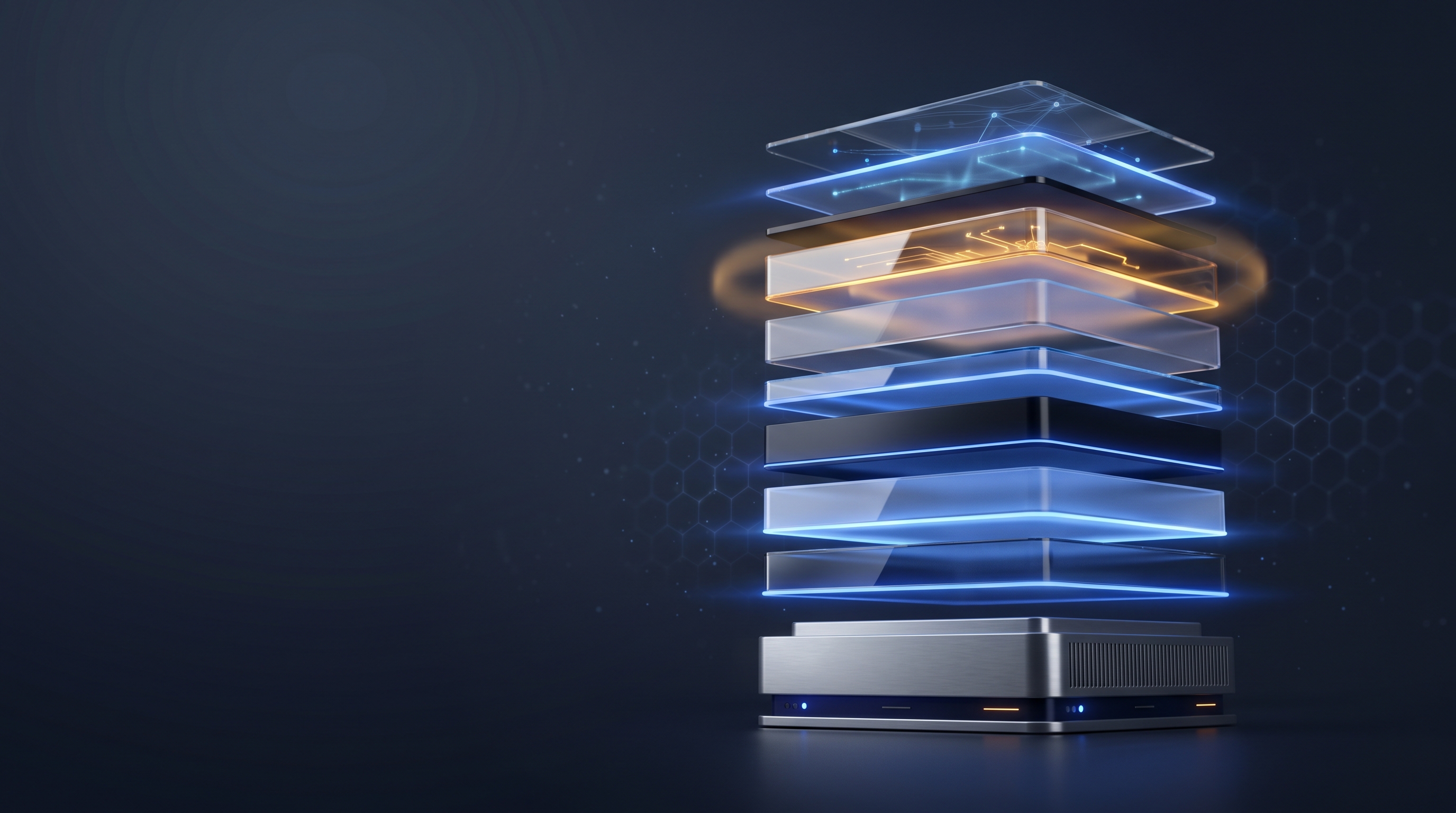
This is how we explain Ai1: as a stack you climb. The foundation gets built first, the data layers get organized next, and the build layers turn all of that into skills, automations, and applications. During onboarding you literally watch yourself move up it.
The Ai1 layer model. Layers 1 to 5 are the foundation and the data. Layer 6 is the human approval gate at the end of onboarding. Layers 7 to 9 are where agents build, and where finished applications come out.
What happens at each layer of Ai1?
What actually happens at each layer, who does the work, and where you sign off.
Server + Pre-onboarding
A dedicated secure server is stood up, locked down, and encrypted. A first batch of around 25 agents goes to work: they research your industry, find competitors, crawl your site, import prior meeting transcripts, and set up your account.
Credentials
A guided interview walks every tool category you use, including:
- Communication
- Productivity suite
- CRM
- Project management
- Analytics
- Marketing
- Accounting
- E-commerce
- Voice, and more
You connect with your own tokens. Agents hold your hand, and a human helps if you get stuck.
Company Brain
Your brain architecture is set up, your data systems are connected, and you decide how sensitive data is handled.
SOPs
Your SOPs are collected into the brain. No SOPs yet? An agent drafts them from how work actually happens, and a short requirements interview fills the gaps.
CRM
The identity and relationship layer is set up. Many smaller businesses end up adopting the included agent-friendly CRM as their CRM.
Requirements
An agent proposes the top 25 automation ideas. You add your own. Each is scored by ROI and effort, so quick high-value wins go first. Humans review, a technical scope is drafted, and a senior strategist signs off at a human gate.
Skills
Teams of agents design, build, test, and review skills inside a gated development pipeline, then deploy. Each skill is a reusable building block your automations call on.
Automations
Agents wire skills into automations, reusing from 200+ prebuilt automations across the wider network and customizing each one to you with a lightweight interview.
Applications
Full applications for your business:
- An agent-friendly CRM
- A chatbot builder
- The AI Readiness Assessment
- SOP Intelligence
Over time these replace smaller tools and cut licensing cost.
The Onboarding Climb: "You Are Here"
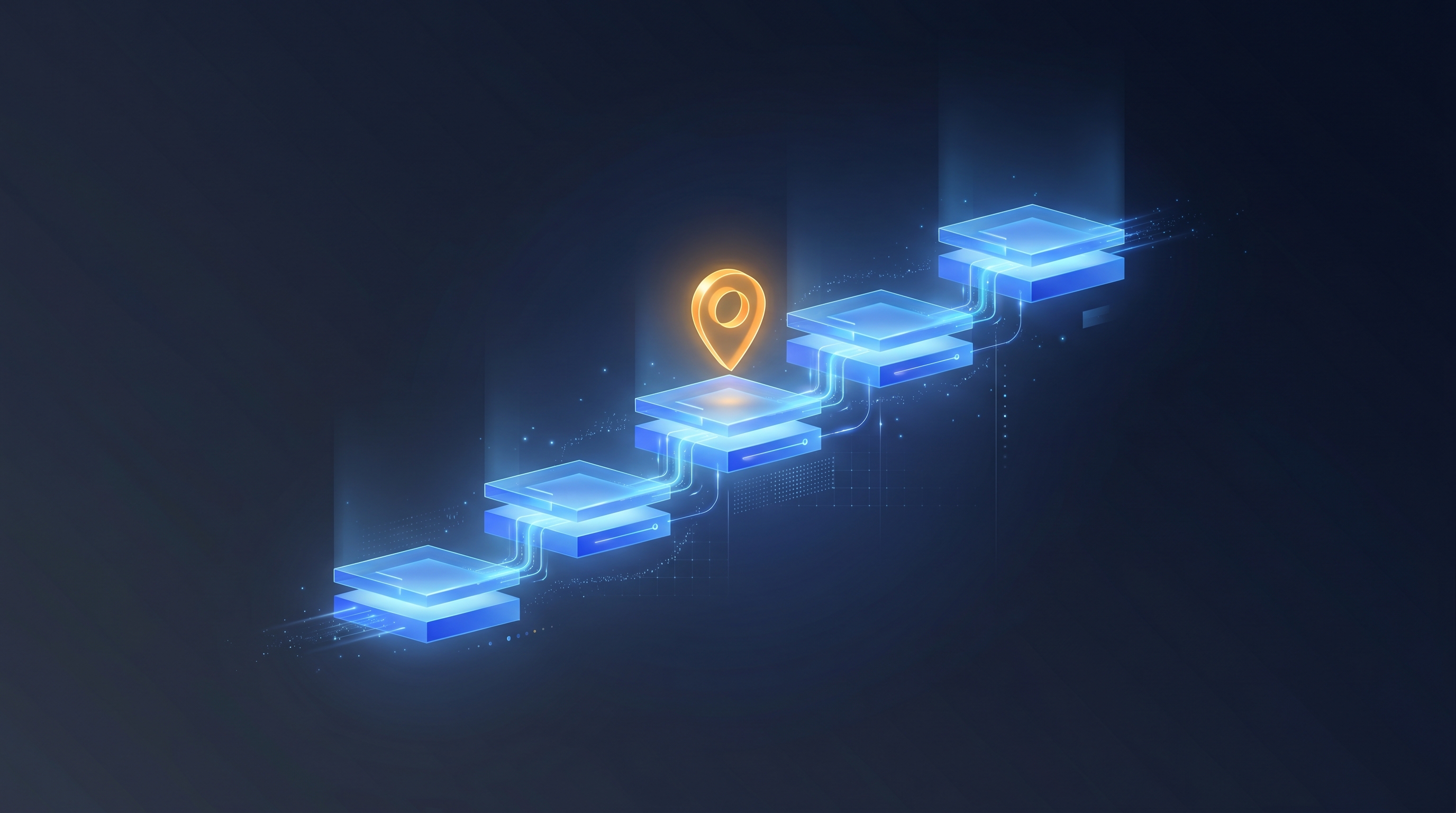
Onboarding isn't a black box. It maps to the same stack above, and your portal shows you which layer you're on.
Stand up and connect
Your server goes live and you connect your tools with your own tokens.
Organize the data
Brain, SOPs, and CRM get set up so your agents work from one source of truth.
Decide what to build
Ideas are scored, a scope is drafted, and a senior strategist signs off.
Build and ship
Agents build skills and automations, and applications come online.
| Stage | Layers | What happens |
|---|---|---|
| Stand up and connect | 1-2 | Your server goes live and you connect your tools with your own tokens. |
| Organize the data | 3-5 | Brain, SOPs and CRM get set up so your agents work from one source of truth. |
| Decide what to build | 6 | Ideas are scored, a scope is drafted, and a senior strategist signs off. |
| Build and ship | 7-9 | Agents build skills and automations, and applications come online. |
Layers 1 to 5
Why does the data foundation matter?
Most of the value lives in getting your data organized before a single agent starts reasoning over it. We label it, centralize it, and sync it locally, and we use deterministic scrapers instead of the model wherever we can.
That's not just tidy. It's the difference between a platform that's expensive to run and one that's cheap and fast. The foundation is what makes everything above it efficient.
lower token cost
Organizing and syncing data locally with deterministic scrapers, rather than paying a model to re-read it every time, cuts token cost by up to 98 percent. That's a real proof point, not a slogan.
Layer 6
How do you decide what to build first?
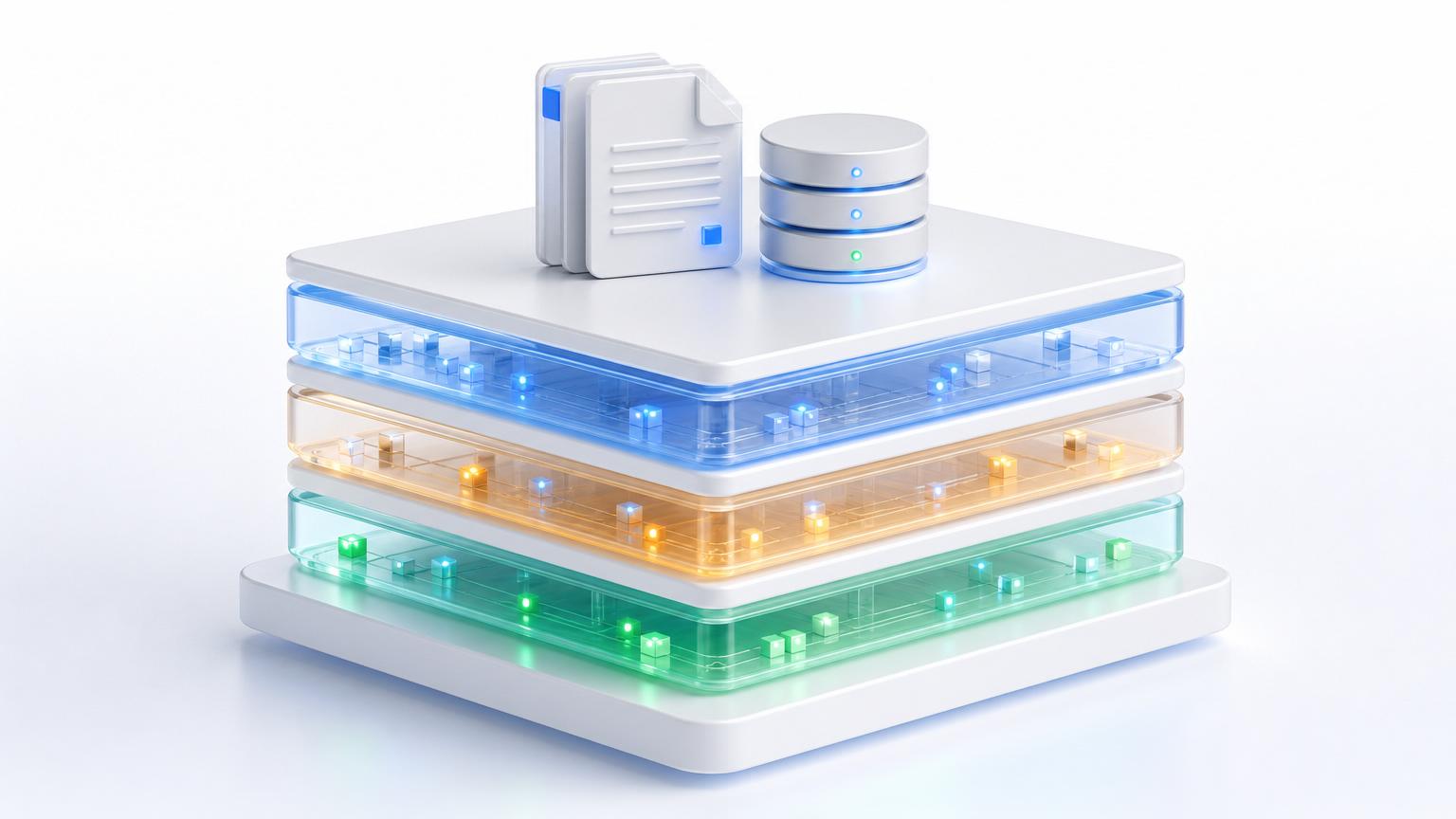
Before anything gets built, we decide what's worth building. This is the human gate that ends onboarding.
Top 25 ideas, then yours
An agent proposes the 25 highest-value automation ideas for a business like yours. You add the ones only you would know to ask for.
Scored by ROI and effort
Every idea gets scored on value and effort, so the quick high-value wins go first and the expensive long shots wait.
Signed off by a human
Humans review the list, a technical scope is drafted, and a senior strategist signs off at a hard gate before any build starts.
Layers 7 and 8
How do agents build and test automations?
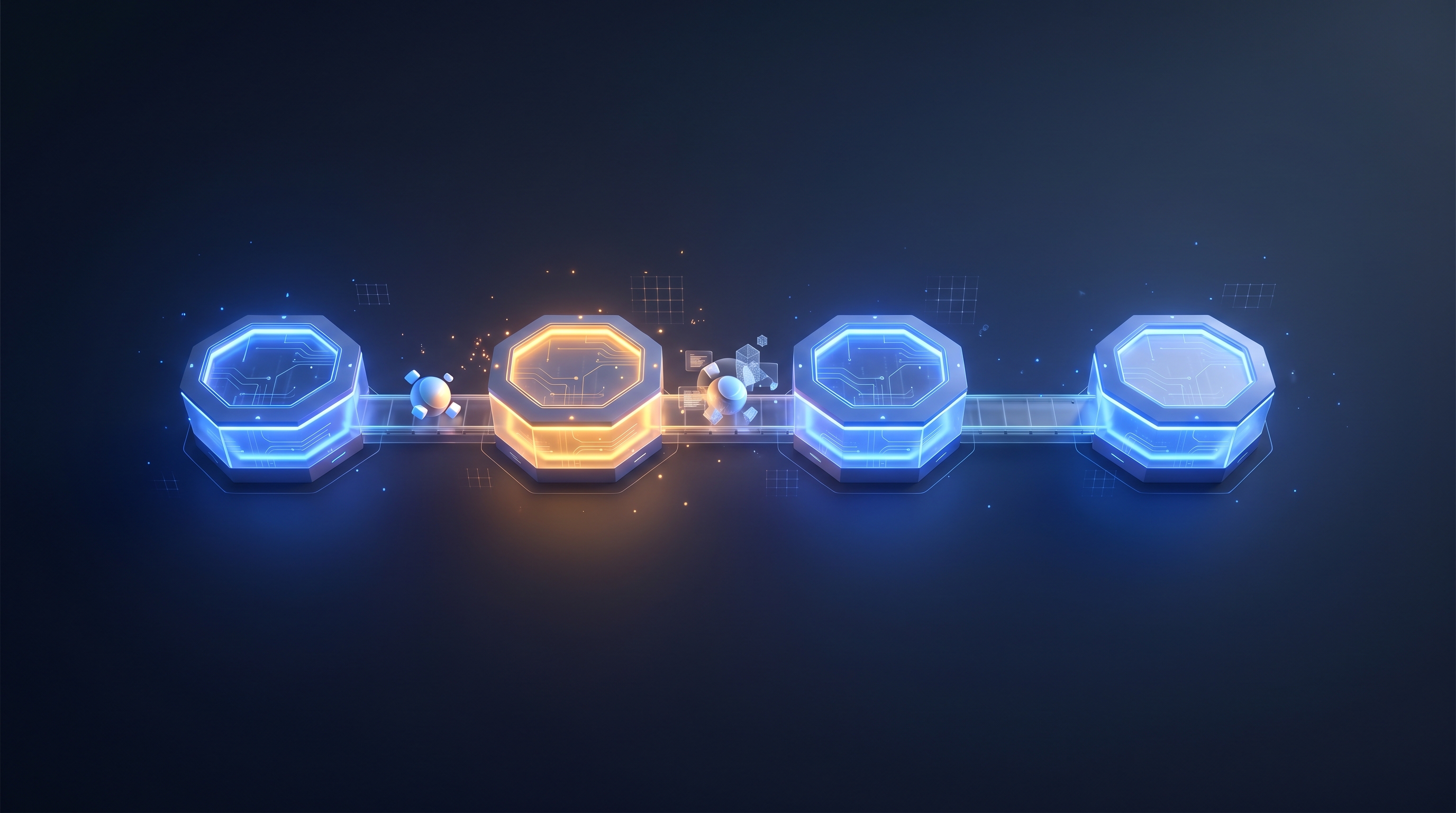
This is the part builders care about most. Quality is enforced by the pipeline, not hoped for. Every automation moves through the same gated path.
Design
Agents turn the approved scope into a concrete build plan.
Build
Teams of agents write the skills and wire up the automation.
Test + review
Automated tests, a code review, and a security review run on every change.
Human sign-off
A senior architect signs off, and a final security review runs before deploy.
Deploy
The automation ships to your deployment and starts running.
Reuse beats reinvention
Most of what you need already exists. Agents reuse from 200+ prebuilt automations across the wider network, then customize each one to you with a short interview. You get proven building blocks, tuned to how your business actually runs.