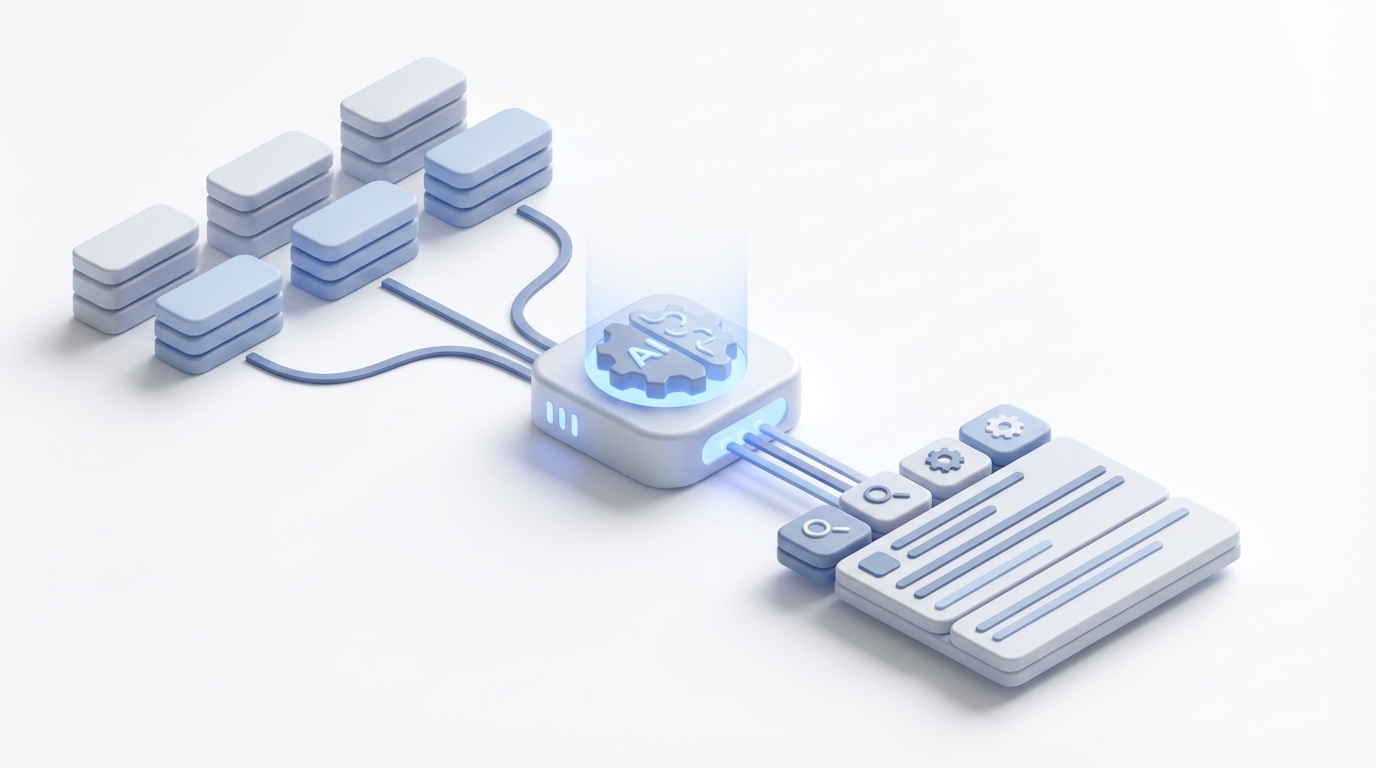

I have run a digital marketing agency since 2000. We built brands, created campaigns, managed budgets, coordinated teams. We did the marketing work for our clients. It was successful. We made money. But around 2024, something shifted. Everything got cheaper and faster. Automation became so accessible that businesses realized they could do it themselves. So they started bringing it in-house. And suddenly, the traditional agency model—where you pay me to do your marketing for you—looked a lot less attractive.
The problem was that most small businesses implementing automation themselves did it wrong. They'd grab ChatGPT, write a few prompts, and wonder why their results were inconsistent. They'd try to automate their social media and end up looking like robots. They'd attempt email campaigns without any strategy and end up spamming people. They had the tools, but they didn't have the knowledge or the framework to use them effectively. That's when I realized something: the future isn't about agencies doing marketing. It's about teaching businesses how to automate it themselves. So that's what I pivoted to. Instead of doing the marketing work, I help people set up the systems that do it for them.
The Agency Reckoning: Why Late 2025/Early 2026 Is a Turning Point
Let me be direct: traditional agencies are in trouble. Not because agencies are bad. But because the math has changed. Clients used to need agencies because marketing required skill, expertise, and time. You couldn't do it yourself. Now, AI can do a lot of that work faster and cheaper than an agency can. The output expectations have also shifted. Clients now expect 5 to 10 times more marketing output than they did three years ago. They expect daily content. They expect campaign variations for every platform. They expect personalized messaging. They expect rapid testing and optimization. When I started in this business, a business owner might post on LinkedIn once a week. Now they expect daily posts, consistent engagement, lead generation sequences, and AI-written content. That volume is only possible with automation.
The agencies that survived the last 20 years are getting disrupted because their entire cost structure is predicated on people. And AI is better than people at many marketing functions. It's faster. It doesn't get tired. It doesn't make mistakes (well, it can, but you can prevent them). It scales linearly. An agency can scale by hiring more people and paying them more. AI scales by pressing a button. So here's the uncomfortable truth: if your business model is hiring people to do the work that AI can now do, you're going to struggle. Unless you pivot. And pivoting means acknowledging that the value isn't in doing the work anymore. It's in teaching people how to automate it.
In Ai1, the Marketing Director does this work for your team.
The Pivot: From Doing to Teaching
When I saw the industry shifting, I had a choice: fight the tide or swim with it. I chose to swim. Instead of competing with AI as a service provider, I decided to partner with it. I started thinking about marketing differently. What if the agency doesn't do the work? What if the agency teaches the client how to set up systems that do the work for them? What if we provide the tools, the training, and the automations—and then the client owns the whole thing?
That's the core of MyZone AI's marketing service. We don't hire copywriters and designers for you. We teach your team how to use AI to generate copy. We don't manage your campaigns manually. We build automations that manage them while your team sleeps. We don't keep you dependent on us. We make you independent. We give you tools. We give you training. We give you systems. And then we help you optimize them. This approach works because it scales infinitely. Instead of being limited by how many clients I can service with my team, I can work with unlimited clients because I'm not doing the work. They are. I'm just teaching them how.
The Automation Stack: What 50–100% Automated Marketing Actually Looks Like
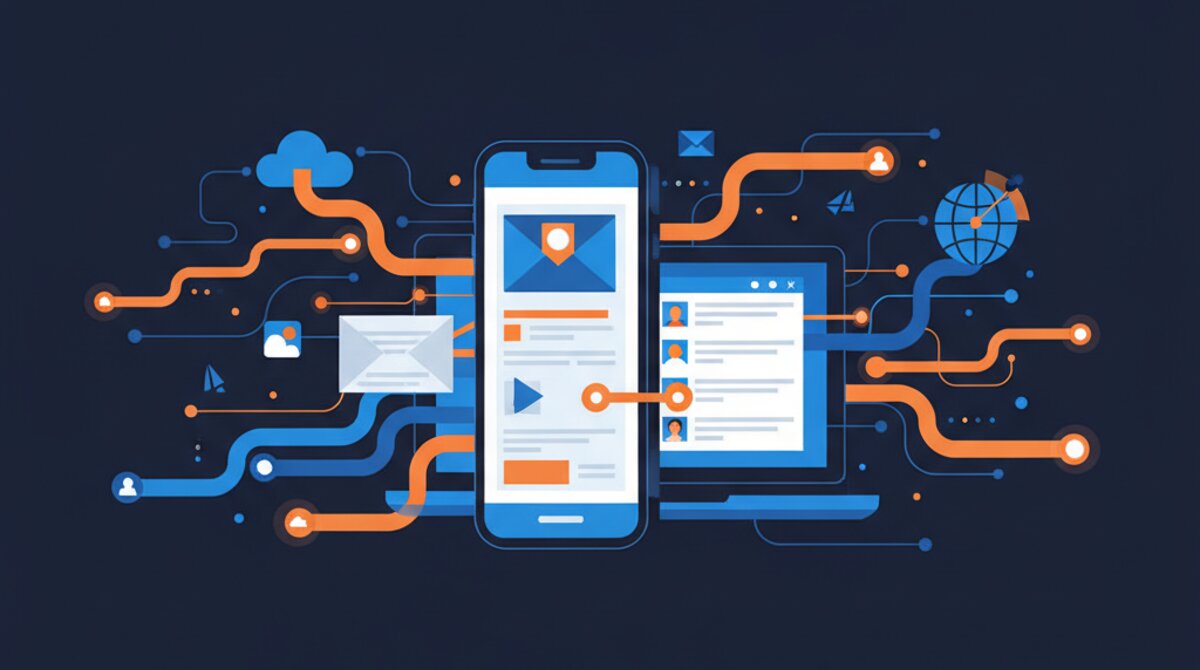
When I say almost everything in modern marketing is automated, people raise an eyebrow. They think I'm exaggerating. I'm not. Let me walk you through the specific functions and how they're automated.
Content creation: AI generates blog posts, social media content, email newsletters—all at scale with human review. A writer that used to take 4 hours to produce one piece of content now uses AI to generate 10 drafts in 30 minutes, reviews them for quality and brand voice, and publishes.
Email campaigns used to require someone sitting down and writing the copy, building the template, setting up the sequence, and hitting send. Now it's fully automated. You define your audience segments. You write your core messaging. AI generates variations. You set triggers. When someone signs up or completes an action, the email sequence starts automatically. The whole thing runs without human intervention. It sounds impersonal, but the reality is it's more personalized than manual campaigns ever were. The system can send different emails to different segments at different times based on behavior.
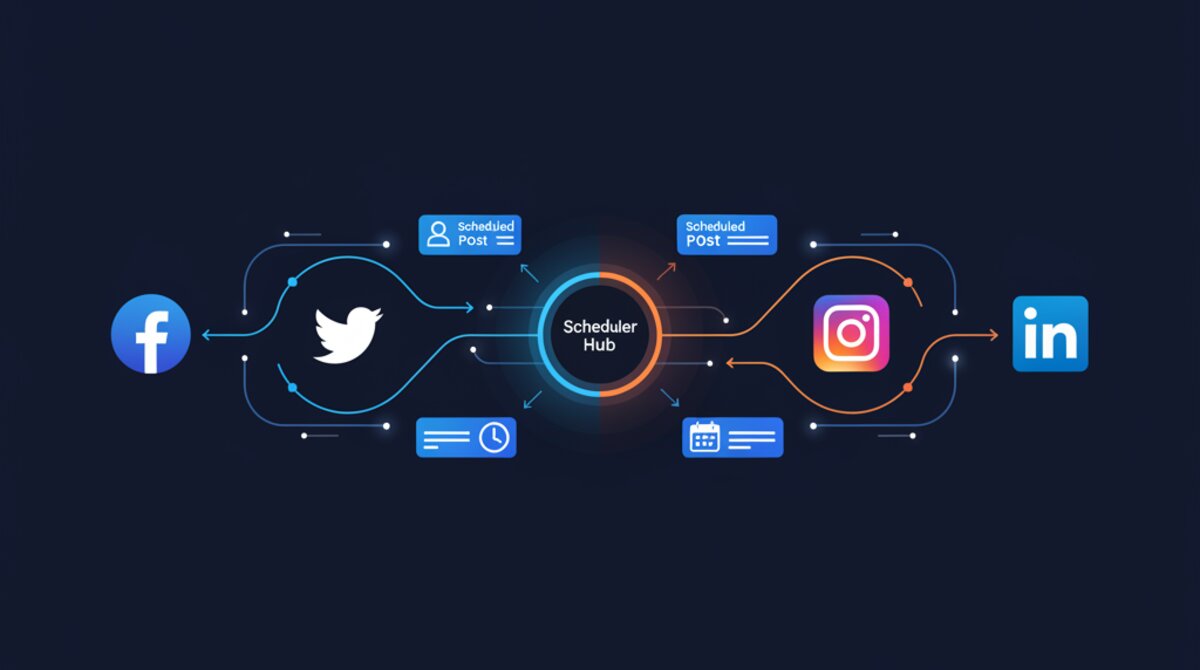
Social media used to be a constant grind. Post every day. Respond to comments. Monitor trends. Engage with your audience. Now you can automate posting. You schedule content weeks in advance. AI monitors your feed and generates suggested responses to comments. Trend-monitoring tools alert you to what's happening in your industry and suggest content angles. You're no longer tethered to your phone. The system does the heavy lifting.
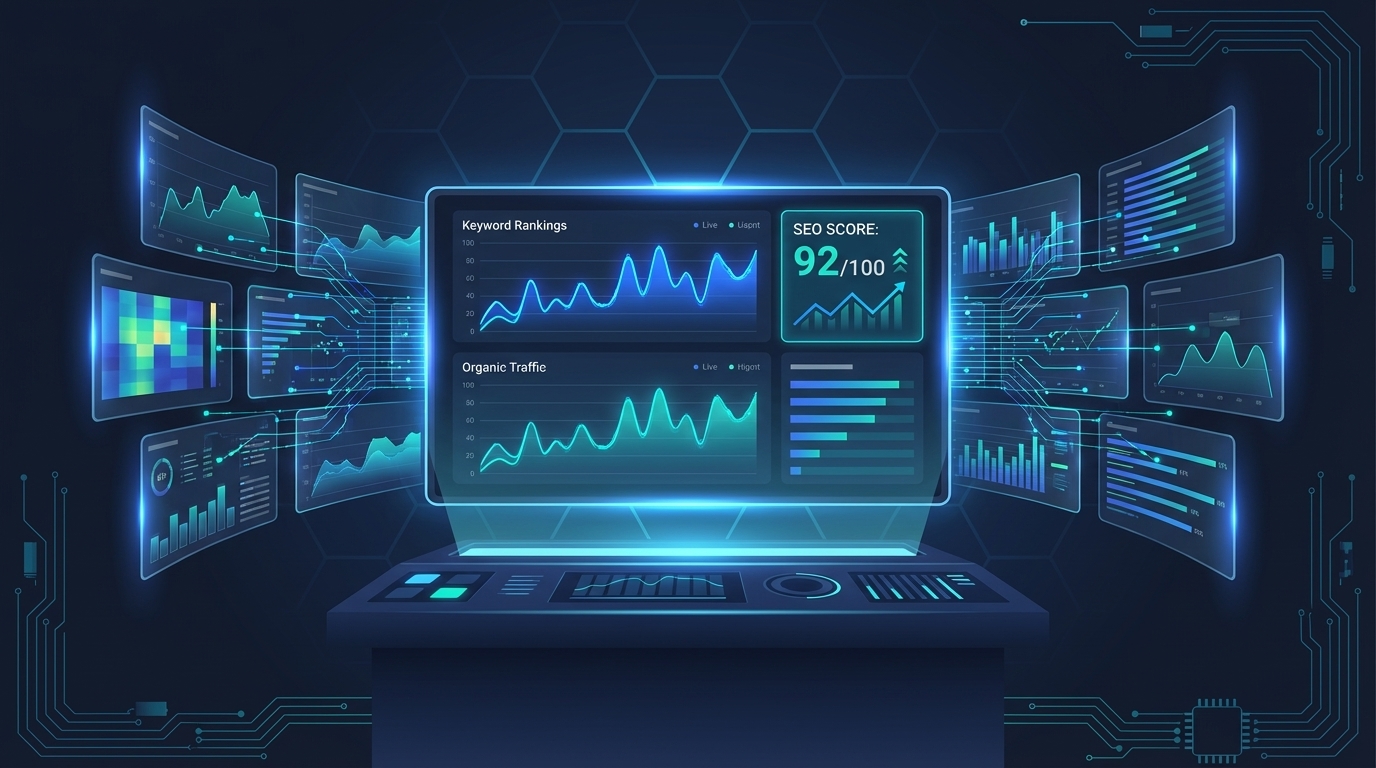
Search engine optimization used to require hiring an SEO expert who would spend weeks researching keywords, optimizing your website, building backlinks. Now AI does most of that. You run a keyword analysis tool that AI has powered. It tells you what people are searching for. It tells you what your competitors are ranking for. It tells you gaps you can fill. You run your website through SEO tools and they automatically flag issues and suggest fixes. You publish content and AI helps optimize it for search engines. The expert part is understanding strategy—which keywords matter for your business—but the grunt work of optimization is automated.
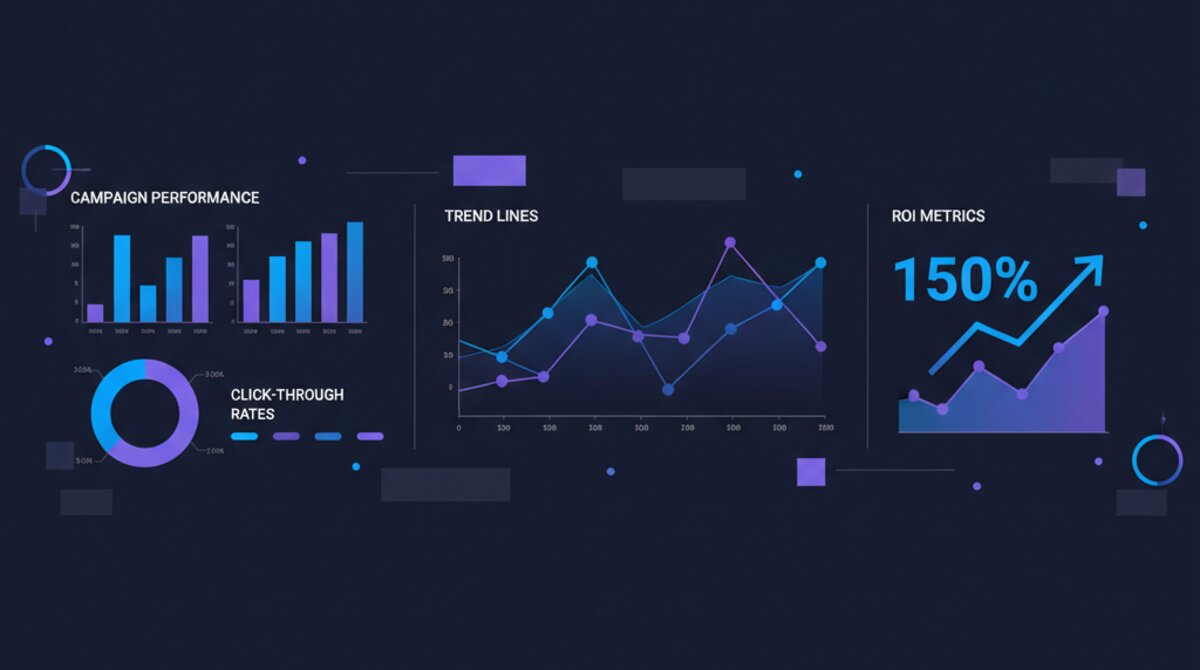
Analytics and reporting used to require someone running reports in Google Analytics, pulling data into spreadsheets, creating visualizations, and writing analysis. Now dashboards update automatically. You get AI-generated insights. Instead of someone spending 4 hours building a report, the system generates it in minutes. You get a summary of what happened. You get insights about what it means. You get recommended actions. It's all automated.
The LinkedIn Lead Generation Agent: The Fun Story
This is my favorite automation story because it's so perfectly emblematic of what's happening right now. I built an AI agent that goes to LinkedIn, searches for prospects matching your criteria, and starts conversations with them. The agent writes personalized messages. It responds to replies. It moves prospects into your sales funnel. You basically turn it on and get out of the way.
The first time I tested it, I set it loose on my target market. I wasn't expecting much. I thought maybe it would generate a few conversations. Instead, I got absolutely bombarded with messages. The agent was having real conversations. It was starting with context about the person. It was asking qualifying questions. It was moving people through the entire top of the funnel. And I didn't do anything. I literally just turned it on. The agent did all the work. That single automation was doing the job of a full-time sales development representative. Except it was doing it 24/7. And it never got tired. And it never made a mistake. And it cost a fraction of what you'd pay someone.
That's what automation looks like in 2026. Not some theoretical future state. That's happening right now. And the businesses that aren't using this are essentially competing with their hands tied behind their backs.
Humans in the Loop: Why 100% Automation Isn't Always the Goal
Now, here's the critical part that separates smart automation from dumb automation: not everything should be 100% automated. Some things need human judgment. Some things need brand voice. Some things need strategic thinking. The goal isn't to eliminate humans. The goal is to eliminate busywork and put humans in positions to do the thinking.
Think about content creation. AI can generate content incredibly fast. But it doesn't always capture your brand's unique voice. So here's how we do it: AI generates 10 variations of an article. A human reviews them, picks the best one, makes tweaks, adds personality, and publishes it. That process takes 30 minutes instead of 4 hours. The human is now a curator and editor instead of a blank-page writer. The human's job became 87% easier. That's the win.
Same thing with the LinkedIn agent. The agent generates conversations, but humans decide which leads to pursue. Humans have the relationship conversations. Humans close the deals. The agent did the work of finding people and starting conversations. The human did the work of building relationships and closing business. The agent didn't replace the human. It freed up the human to do the high-value work.
That's the secret to automation that actually works. Find what AI is great at—data processing, pattern matching, variation generation, repetitive task execution. Let it do that. Keep humans in the loop for what humans are great at—judgment, creativity, relationship building, strategic decision making. The combination of human + AI is stronger than either alone.
What This Means for Small Businesses
Here's the radical implication of all of this: you don't need an agency anymore. At least not in the traditional sense. You don't need to pay someone to do your marketing for you. You need someone to teach you how to set up systems that do it for you. That's exponentially cheaper. It's exponentially faster. And when you own the systems, you own your marketing.
Think about what a small business owner can do with the right automation in place. You have maybe one or two people handling marketing. With AI automation, those one or two people can generate the output of an entire agency team. They can write more content. They can run more campaigns. They can generate more leads. They can optimize faster. The amount of work that used to require hiring five people now requires one person and some good systems.
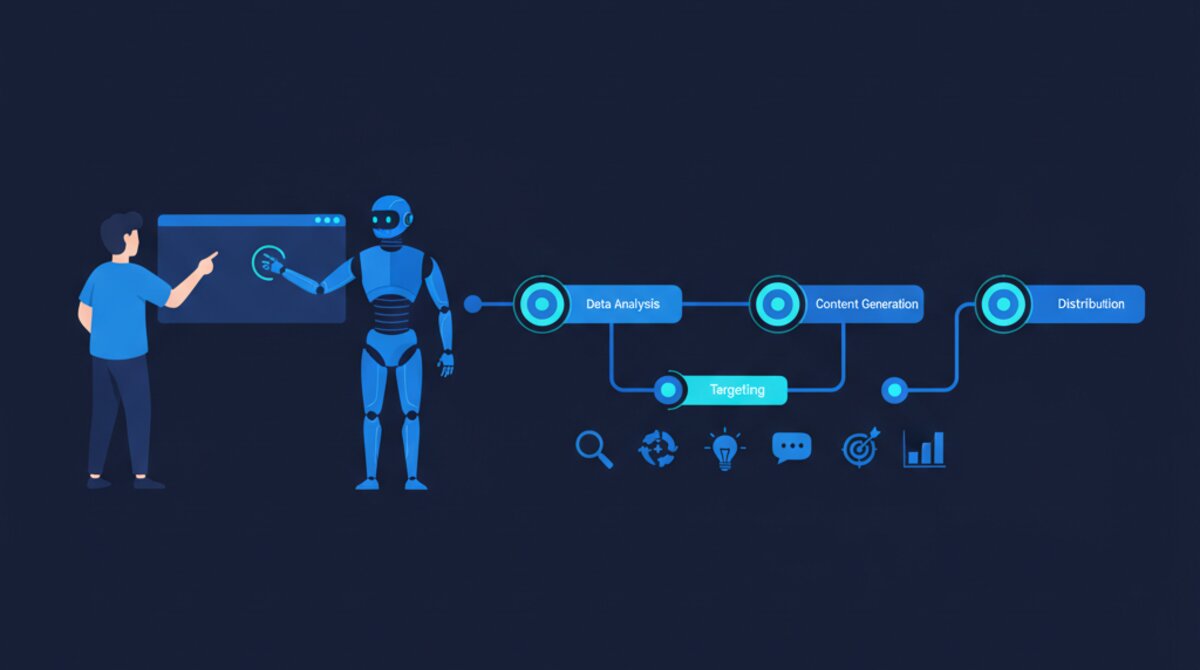
The limitation isn't the work anymore. The limitation is knowledge. Do you know how to set up a content automation system? Do you know how to configure your email sequences? Do you know how to build an AI agent for LinkedIn? Do you know how to monitor analytics and interpret what they mean? Most small business owners don't. And that's where training comes in. That's what we do at MyZone. We teach you how to set it up. Then you own it. Then you operate it. And you scale it as your business grows.
The Shift Has Already Happened
The marketing landscape shifted in 2025. It's not shifting anymore. It's shifted. The businesses that have automation are operating at a completely different efficiency level than the ones that don't. They're generating more output with fewer people. They're responding faster to market changes. They're testing more ideas. They're learning faster. They're winning.
The question isn't whether you should automate your marketing. The question is how fast you can figure out how to do it. The window for competitive advantage is closing. By the time you implement automation in 2026, your competitors might already be 12 months ahead. And if they're 12 months ahead in automation, you're not catching up. Not soon, anyway.
I spent more than 25 years in the traditional agency business watching it evolve. I've watched the shift from TV ads to digital ads. I've watched the shift from desktop to mobile. I've watched the shift from spray-and-pray marketing to targeted personalization. This shift—from human-powered marketing to AI-powered marketing—is bigger than all of those. It's existential. And if you're not adapting, you're falling behind. The good news? You don't have to figure it out alone. That's exactly why I pivoted. Help you do it.