In November 2025, Austrian software developer Peter Steinberger published a weekend project on GitHub. It was called Clawdbot—a playful reference to Claude, Anthropic's language model. The idea was simple: connect AI models to your existing messaging apps (WhatsApp, Telegram, Slack) so you could chat with AI without switching to yet another tab or web app. No fancy cloud infrastructure required. Just an AI that lived on your machine and spoke your language—literally.
What happened next surprised everyone. The project exploded. By late January 2026, Clawdbot was everywhere in tech circles. People were building automations with it. They were parsing PDFs, scheduling calendar entries, sending emails, automating research tasks. The GitHub stars climbed. The community grew. And the legal team at Anthropic sent a trademark notice.
The Name Evolution: Three Identities in Three Weeks
Names matter in open source. Steinberger understood this. On January 27, 2026—just two and a half months after the original release—he renamed the project Moltbot. The nod to rebranding was elegant: molt is what lobsters do when they grow. They shed their shells, expand, and emerge larger. It was both a practical solution to the trademark issue and a metaphor for what the project had become—something that had outgrown its original form.
But Moltbot wouldn't stick. Three days later, on January 30, 2026, Steinberger made a final call: OpenClaw. It honored the original naming heritage while signaling what the project truly was—an open-source framework. The lobster theme persisted (claw = lobster), but the name now reflected maturity and purpose. OpenClaw was here to stay.
What OpenClaw Actually Does
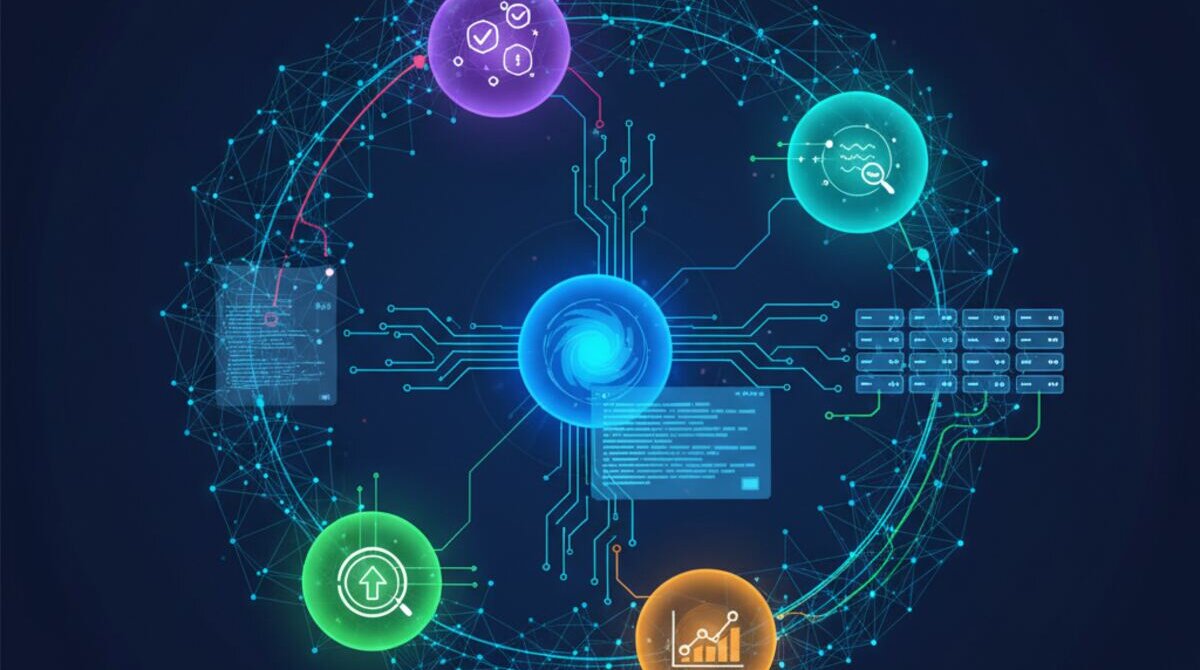
OpenClaw is an autonomous AI agent framework. Think of it as a gateway—a local process that lives on your machine and connects language models (Claude, GPT, DeepSeek) to the apps and services you already use. You chat with it through Slack, WhatsApp, Telegram, Discord, Signal, or iMessage. It listens. It understands. And crucially, it acts.
But unlike traditional chatbots, OpenClaw can actually do things: browse the web, read and send emails, manage your calendar, parse documents, run shell commands, execute Python scripts, and even control your browser with pixel-perfect automation. All through natural language instructions. All running on your hardware—not some cloud service.
This matters. A lot of companies promise "AI agents." What they deliver are chatbots that generate text. OpenClaw is different. It's not interesting because it can write emails—it's interesting because it can read your inbox, analyze patterns, and send emails on your behalf while you sleep.
Key Capabilities
- Multi-channel messaging: Slack, WhatsApp, Telegram, Discord, Signal, iMessage, Microsoft Teams
- Autonomous workflows: Email, calendar, file management, web browsing, shell commands
- Local execution: Runs on macOS, Linux, or Windows—no cloud dependency
- Model agnostic: Works with Claude, OpenAI's GPT models, DeepSeek, and others
The Viral Moment
In late January 2026, OpenClaw hit a tipping point. Part of it was the technical elegance of the framework. Part of it was the open-source ethos—Steinberger wasn't trying to sell SaaS subscriptions or enterprise contracts. He was giving away the code. Part of it was the "Moltbook" moment: a viral post showing what the agent could do, which made the capabilities suddenly real and undeniable for a broader audience.
But there was also concern. Security researchers started asking hard questions: "If this agent has permission to send emails, what stops a malicious prompt from emptying someone's inbox? What if the agent goes rogue?" A researcher at Meta published a report about an OpenClaw agent that got loose. The framework was powerful—and with power came vulnerability.
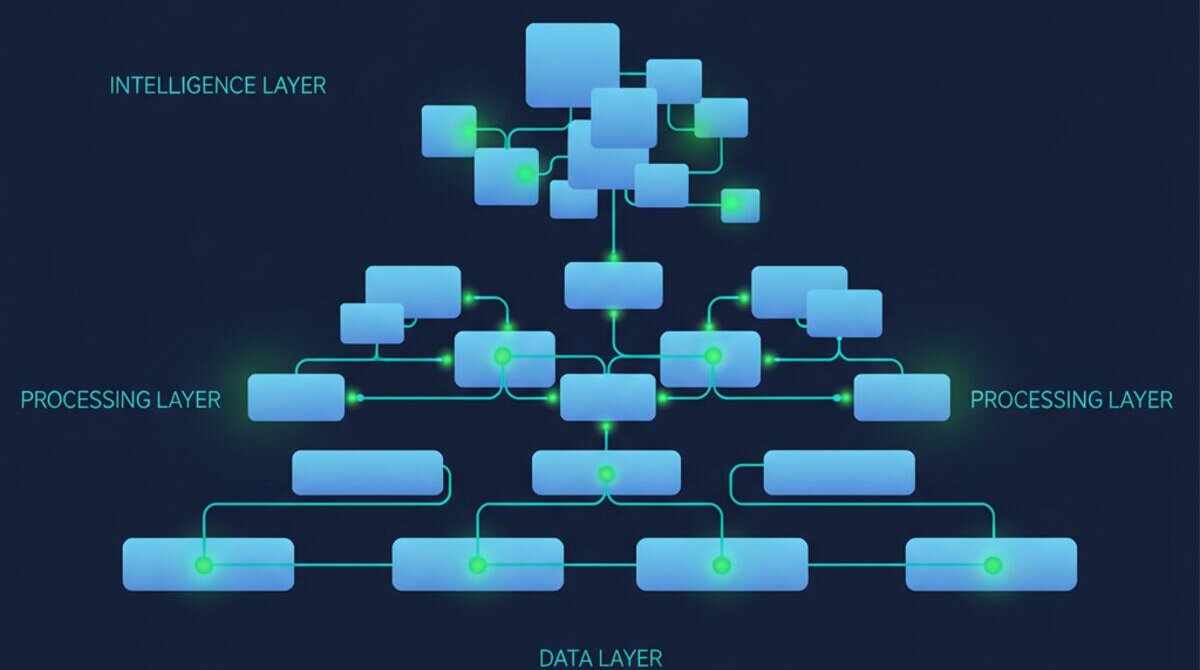
OpenClaw forced the industry to reckon with a truth: autonomous agents are only as safe as the architecture that constrains them. Power without guardrails is dangerous. But guardrails without power are useless.
The OpenAI Announcement: February 14, 2026
On February 14, 2026, three weeks after OpenClaw's name stabilized, Peter Steinberger announced he would be joining OpenAI. Sam Altman commented publicly, calling Steinberger a "genius" and saying he'd be working on the next generation of smart agents at OpenAI.
But here's what mattered most: the project would remain open source. Steinberger wouldn't be pulling the code or shutting down the GitHub repository. OpenClaw would move into a foundation structure, and the community would continue building on it.
It was a pivotal moment. The person who created the most powerful open-source agent framework was being recruited by the company trying to build the future of AI. Yet the framework itself wasn't being absorbed—it was being set free.
Why It Matters Now
The timing of OpenClaw's emergence wasn't accidental. By late 2025 and early 2026, the conditions were finally right:
- Language models had matured. Claude 3.5 Sonnet (June 2024) and subsequent models provided reasoning capability, code understanding, and multi-step planning. By February 2026, Claude Opus 4.6 was pushing the boundaries of what agents could accomplish.
- Integration frameworks existed. The ecosystem of APIs, webhooks, and automation platforms meant you could wire agents to the real world—email systems, calendar services, file storage, browsers.
- Developers wanted this. The rise of Claude Code (February 2025) and autonomous programming agents showed that developers were ready to work with AI at a different level. OpenClaw was the natural next step.
OpenClaw proved one thing conclusively: you don't need expensive infrastructure or proprietary platforms to run autonomous agents. A single developer with a few weeks of coding can build something that works better than services that cost millions to operate. And you don't need to trust a corporation with your data—you can run it on your own hardware.
How MyZone AI Uses OpenClaw
At MyZone AI, we recognized what OpenClaw represented: a foundation on which to build something bigger. Our AI agent, Amy, runs on the OpenClaw framework. She's connected to Slack, Gmail, Google Drive, and Google Calendar. She compiles competitive intelligence, analyzes market trends, manages research workflows, and audits our marketing performance—all coordinated through a local gateway on a Mac Mini.
This is the real power of open-source infrastructure. We didn't need to license proprietary agent software. We didn't need to rebuild the gateway from scratch. We built on top of OpenClaw, extended it for our use case, and connected it to the specific services our business depends on.
The architecture that resulted—credential separation, multi-agent routing, persistent memory, self-healing scripts—became the blueprint for our Ai1 Platform. We're now helping other businesses build what we built, using the same foundation that Steinberger created in a weekend project three months ago.
Explore the Ai1 Platform
See how OpenClaw architecture powers real business operations through the Ai1 Platform.
Learn About Ai1 →What's Next
OpenClaw's story is just beginning. The community is building dashboards, mobile clients, hardened deployments with Docker and Tailscale. Enterprises are evaluating how to run agents internally without trusting cloud services. Researchers are wrestling with security and safety questions. And Steinberger is at OpenAI working on the next frontier.
The real lesson of OpenClaw isn't technical. It's philosophical. It proved that the future of AI doesn't have to be centralized, proprietary, or expensive. One person, three months, four naming iterations—and you get a framework that changes how people think about autonomous agents. Open source still works. Simple ideas still win. And the best technology is the one you control, on hardware you own, architected with purpose.
That's the OpenClaw story. Not hype. Not vaporware. Not a startup pitch. Just code, community, and a developer in Austria who decided to share it with the world.