Free Live Workshop · July 23, 2026
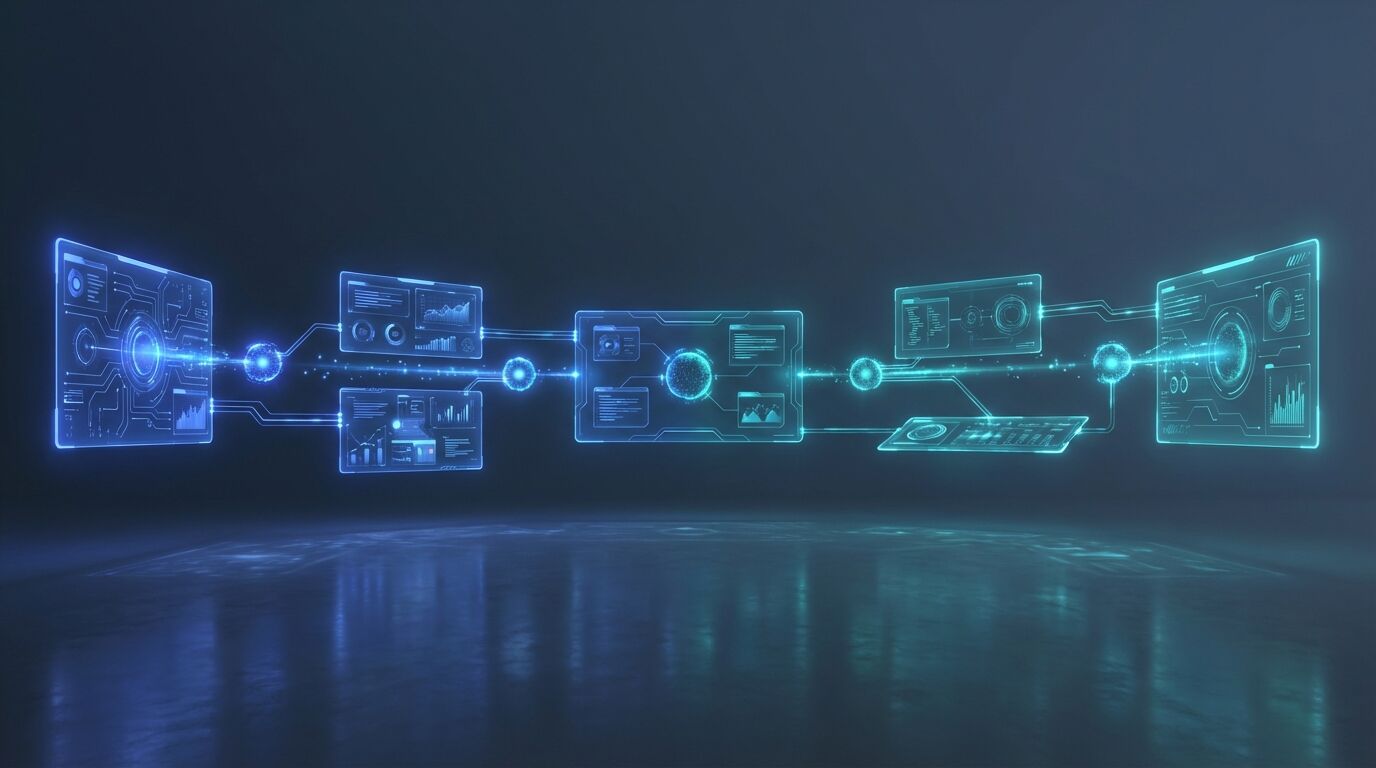
Agentic Development Best Practices Part 2
Last updatedBuilding a small automation with an agent is one thing. Shipping production-grade custom software with agents is another sport entirely. There’s a discipline to doing this well. This is the playbook MyZone runs to ship complex custom software with agents at production quality. Mike covered it in this session.
- A free online workshop held on July 23, 2026, 9:00 to 10:30 AM PT.
- It covers the playbook MyZone runs to ship complex custom software with agents at production quality.
- Six topics: the verification loop, AGENTS.md plus a skills tree, visual blueprints before code, sub-agents and git worktrees, evals as CI-gated tests, and the full QA stack.
- Built for developers, engineering leads and technical founders, and it builds on Part 1.
- Replay access and Mike's Q&A on their own architecture were included for original registrants.

| Detail | Agentic Development Best Practices Part 2 |
|---|---|
| Date | July 23, 2026 |
| Time | 9:00 to 10:30 AM PT |
| Format | Online 90-minute workshop with Q&A (ended) |
| Cost to attend | Free for live attendees |
| Replay | Included |
Why This Matters
Why doesn’t adding more agents make software better?
The most common mistake we see in agent-built custom software: someone spins up a PM agent. The PM agent spins up five developer agents. The team celebrates how fast the velocity charts look. Three weeks later, the codebase is incoherent. Three of the five modules contradict each other. Nobody can explain what’s actually in production. Parallelism without discipline is chaos with a faster clock speed.
The teams shipping real, durable, agent-built software figured out the opposite lesson. It’s better to have one agent and one developer working on a project for a longer period of time than to have a PM that spins up five and reassembles the pieces. Patience beats parallelism. Verification beats velocity. Architecture beats output.
This workshop is the field guide for doing it right:
- The verification loop that catches drift before it ships.
- The AGENTS.md and skills-tree architecture that keeps repos agent-friendly.
- The sub-agent and git-worktree patterns that finally make parallelism work.
- The evals-as-regression-tests discipline that turns every shipped bug into a permanent guardrail.
New Here?
Do you need to attend Part 1 first?
Part 1 covers the 7-Stage Agentic Pipeline / the foundation this workshop builds on. Part 1 is the recommended starting point.
Workshop Agenda
What You’ll Walk Away With
This workshop is for developers, engineering leads, and technical founders using agents to ship real custom software. The ones who want production-grade discipline instead of velocity theater.
1. The Verification Loop
The pattern we apply on every stage. Produce artifact. Identify failure modes. Build verifier. Loop until clean. The single most important habit against drift.
2. AGENTS.md + Skills Tree
The repo structure that keeps agents focused. A 50-line root boot file plus an atomic skills directory loaded on-demand. Lean context. Cross-tool portable.
3. Visual Blueprint Before Code
Wireframes, then designs, then clickable mock-ups. Before a single component is built. Lock the definition of done. Get pixel-perfect QA at the end.
4. Sub-Agents and Git Worktrees
The experimental patterns letting us finally parallelize without drift. Isolated read-heavy investigators. Fresh-context reviewers. Parallel worktrees merged cleanly.
5. Evals as CI-Gated Tests
Every shipped bug becomes a permanent test case. The JSON eval format. The CI gate discipline. The 6-month retirement rule.
6. The Full QA Stack
Code-review agents. Security-review agents. Token-trimmer agents. Playwright. BrowserStack visual diffs. When each one earns its keep. When it’s overkill.
Who hosts the workshop?

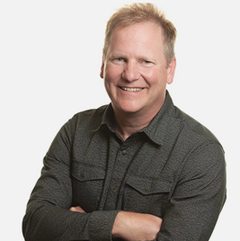
Mike Schwarz
CEO, MyZone AI
Mike is the founder and CEO of MyZone AI. His team ships custom client software and internal platforms built primarily with agents. Across hundreds of repos, using the AGENTS.md and skills-tree pattern, verification loops on every stage, and evals as CI gates. He’s the architect behind MyZone’s agentic development practice.
This event has ended
This event has ended
One verification loop in the right place saves your team a week of regression hunting. This is the same discipline MyZone runs on every production repo. This event has ended. Live attendance was free, with replay access and Mike’s Q&A on their own architecture included for original registrants.
Live 90-minute workshop with Q&A
Replay access included
Original attendees had Mike’s Q&A on their own architecture
This event has ended
This event has ended. Registration is closed.
We respect your privacy. No spam, ever.
Don't Take Our Word for It
Trusted by leaders at Plastic Bank, Outback Team Building, RMG Advertising, Keeran Networks, and Titan Training Centre




Frequently asked questions
Ready to Ship Agent-Built Software That Holds Up in Production?
90 minutes. Free. Live with Mike. Plus the architecture patterns you can run on your next pull request.